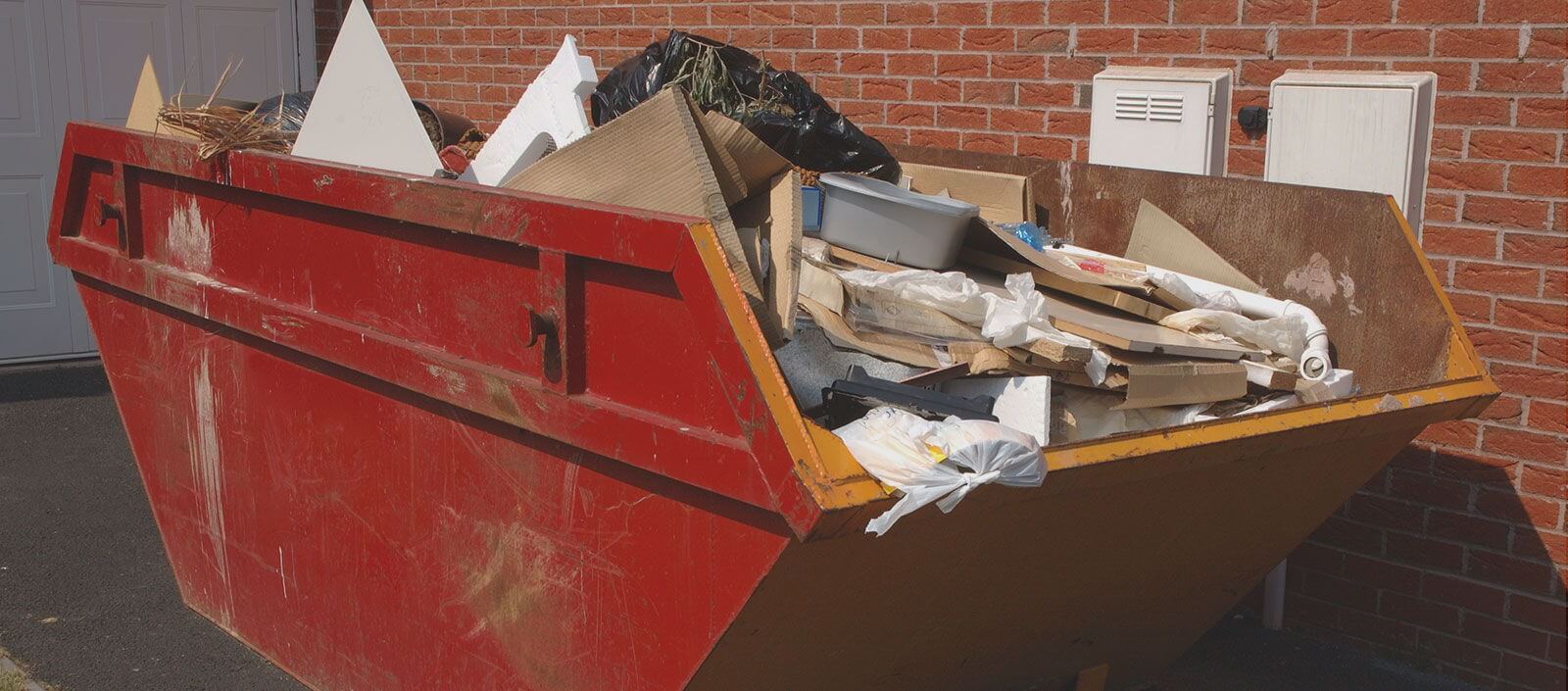
Common problems with flats rubbish collection on Mare Street
Posted on 01/08/2026

If you live in a flat on Mare Street, rubbish collection can feel oddly harder than it should be. One week everything runs smoothly; the next, bags are left in the wrong place, a bulky item blocks the hallway, or the bin store is full before the weekend even starts. Common problems with flats rubbish collection on Mare Street usually come down to access, space, timing, and coordination - not laziness, and not bad luck either.
This guide looks at the real-world issues people run into, why they matter, how flat waste collection tends to work in busy parts of Hackney, and what you can do to make the whole thing less stressful. If you are a tenant, landlord, managing agent, or just the unlucky person who ends up dragging a broken wardrobe down three flights of stairs, this should help. A lot.
Why Common problems with flats rubbish collection on Mare Street Matters
Mare Street is busy, built-up, and always in motion. That matters because flat rubbish is rarely just a "put it out and forget it" situation. In a house, you might have one bin point and a clear front path. In a block of flats, you may have shared bin stores, awkward stairwells, narrow corridors, parking pressure, and neighbours who all need the same space at roughly the same time. It is a classic recipe for friction.
When collection goes wrong, the effects ripple quickly. Bags spill into communal areas, recycling gets contaminated, bins overflow, and unpleasant smells build up in warmer weather. Even a small issue can become one of those annoying block-wide problems that everyone talks about but nobody quite owns. Sound familiar?
For landlords and managing agents, the stakes are higher than simple inconvenience. Poor waste handling can affect tenant satisfaction, block cleanliness, and complaints from residents. For businesses in mixed-use buildings, it can also create access issues for deliveries and service vehicles. If you want a broader picture of the local area and how day-to-day life works around it, the article on what locals say about life in Hackney gives useful context.
Expert summary: In flat blocks, rubbish problems are rarely about the rubbish alone. They usually come from poor storage, unclear responsibility, tight access, and timing that does not match how the building actually functions.
How Common problems with flats rubbish collection on Mare Street Works
Flat rubbish collection usually works through a mix of shared bins, scheduled collections, and occasional ad hoc removals for bulky items. On paper, it sounds straightforward. In practice, the building layout and resident behaviour matter just as much as the service itself.
Most issues begin with one of these setups:
- Shared bin stores where several households use the same containers.
- Chute systems in older or larger blocks, which can become blocked or misused.
- Rear access points that are hard to reach for collection crews or residents.
- Street-level presentation where bags must be taken outside at a specific time and in a specific way.
For some flats, the problem is simple: too much waste for too little space. For others, it is a logistics headache. A resident may leave a mattress in the wrong place, or a broken appliance may sit in a communal corridor because nobody knows who should arrange removal. A few hours later, the corridor smells musty, the fire route is compromised, and everyone is annoyed. That is the sort of thing that happens fast.
If you need a more localised angle on rubbish removal in this part of Hackney, the guide to Mare Street rubbish removal for flats and shops is a practical companion piece. It helps connect the building-level issues with the street-level reality.
In many cases, the best solution is not "more bins" alone. It is better planning: clearer storage, better scheduling, and a simple system for bulky waste and one-off clearances. Truth be told, that boring bit is usually what makes the biggest difference.
Key Benefits and Practical Advantages
When flat rubbish collection is organised properly, the benefits are immediate and very visible. You notice them in the smell, the space, and the general mood of the building. Yes, really.
- Cleaner communal areas: Hallways and bin stores stay usable and less unpleasant.
- Fewer resident disputes: Clear rules reduce the usual "it wasn't my bag" arguments.
- Less pest attraction: Overflowing waste tends to draw unwanted attention from pests.
- Safer access routes: Fire exits and shared walkways remain clear.
- Better recycling results: Contamination drops when people understand what goes where.
- Faster bulky item removal: Sofas, beds, and appliances do not linger for days.
There is also a softer benefit that gets overlooked: people feel better about where they live. A neat bin area sounds minor, but in a dense part of London it quietly signals that a building is being looked after. That matters to tenants, buyers, and visitors alike.
For readers thinking more broadly about property standards and what makes a building easier to live in or let out, the article on Hackney property buying tips is useful background. Waste arrangements are part of the liveability story, even if nobody puts them in the glossy brochure.
Who This Is For and When It Makes Sense
This topic matters to more people than you might think. Not just residents. Flat rubbish collection on Mare Street becomes a real issue for anyone who has to manage shared space and shared responsibility.
- Tenants who need a reliable way to dispose of everyday waste and occasional bulky items.
- Landlords who want to keep a property presentable and avoid complaints.
- Managing agents who deal with access, scheduling, and resident communication.
- Freeholders and resident management companies handling shared bin stores and compliance.
- Flat sharers who quickly discover that waste rules can become a sore point, especially in larger households.
- Small businesses in mixed-use buildings that need waste removed without disrupting residents.
It makes the most sense to step in early when waste starts to affect normal use of the building. Do not wait until the bin room is full of old chairs and half a dismantled desk. By then, you are already behind.
If you are comparing waste solutions for a block, it may also help to look at the broader service range described in the services overview, especially if the building has recurring clearance needs rather than just standard bin collections.
Step-by-Step Guidance
Here is a sensible way to handle rubbish collection issues in flats without making the whole thing more complicated than it needs to be.
- Identify the actual problem. Is it overflowing bins, fly-tipped bags, missed collections, blocked access, or bulky items left in the wrong place? Be specific.
- Check the building layout. Look at bin-store access, stair width, lift use, and where waste is expected to be kept before collection.
- Confirm who is responsible. In some buildings, residents handle their own bags; in others, the landlord or managing agent controls storage and collection arrangements.
- Separate regular waste from bulky waste. A sofa, mattress, or appliance is a different job from black sacks and recycling.
- Choose the right removal method. Sometimes a standard collection is enough. Sometimes you need a dedicated clearance visit. Mixing the two is where problems start.
- Schedule around access and occupancy. Morning, lunchtime, or end-of-day timing can make a huge difference in a crowded block.
- Communicate clearly. A short notice in the hallway or a message to residents can save hours of confusion later.
- Review what happened afterwards. If the same issue keeps returning, the system needs changing, not just repeating.
A small real-world example: a resident leaves a wardrobe frame by the back entrance "just for the morning". By late afternoon, it has become an obstacle, a rain-soaked mess, and a source of complaints. If the building had a clear plan for bulky waste, that object would have been gone before it became everyone's problem. Simple, really.
Expert Tips for Better Results
If you want fewer headaches, the best improvements are usually small but disciplined. Nothing glamorous. Just practical habits that stop waste from becoming a recurring mess.
- Use labels in bin stores. Clear labels for general waste, recycling, and food waste reduce mixing.
- Keep bulky waste separate. One old armchair can ruin a tidy bin room fast.
- Set collection day reminders. Residents often forget timing more than they forget the rules.
- Take photos of problem areas. Useful for landlords, agents, and contractors when explaining repeated issues.
- Watch access pinch points. A narrow gate, low branch, or parked car can turn a quick collection into a delay.
- Use a trusted, licensed carrier. That protects the building from avoidable compliance problems.
One underrated tip: do not rely on memory. People mean well, then life happens. A message gets missed, a bag gets left outside the wrong door, and suddenly it is "the waste people never came" when actually the instructions were unclear. We have all seen that movie.
For useful background on safe handling and contractor standards, the page on insurance and safety is worth reviewing if you are arranging removal for a block or shared property.
Common Mistakes to Avoid
Most flat rubbish issues are made worse by a few predictable mistakes. They are avoidable, which is the annoying part. But that also means they are fixable.
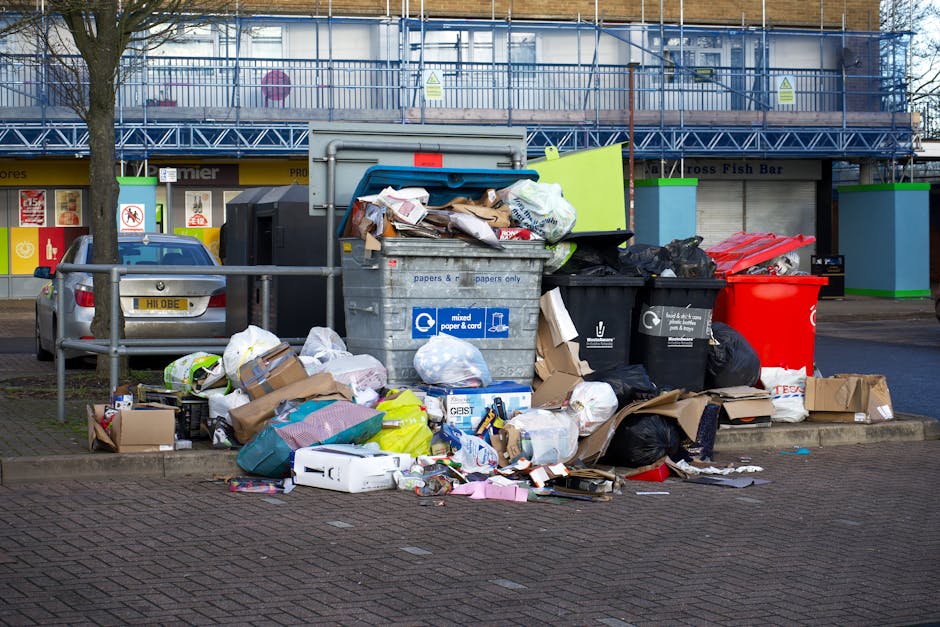
- Leaving bags in hallways: It creates obstruction, smells, and fire-risk concerns.
- Assuming someone else will sort it: In shared buildings, vague responsibility becomes no responsibility.
- Ignoring recycling contamination: One wrong load can affect the rest of the bin stream.
- Putting bulky items out without planning: Sofas and white goods are not "just another bag".
- Hiring the cheapest option without checks: That can lead to poor service or compliance issues.
- Waiting until the end of the month: By then the problem is usually bigger, smellier, and harder to schedule.
There is also a subtle mistake that people make in flats: treating waste as a private issue when it is really a shared one. One household may be tidy, but if the block system is weak, everyone gets dragged into the mess anyway.
If you are deciding between different disposal routes, the article on bulky rubbish collection in E9 gives helpful context on the sort of items that usually need extra care.
Tools, Resources and Recommendations
You do not need a giant toolkit to improve rubbish collection in flats. Honestly, you need a few useful basics and a bit of consistency.
- Printed bin-store notices: Still useful, especially for blocks with mixed age groups and high turnover.
- Simple resident messaging: Email or building notice boards can work well for collection reminders.
- Camera phone photos: Handy for documenting access issues, dumped items, or overflow.
- A clear block waste plan: Even a one-page internal guide helps everyone understand the routine.
- Licensed waste removal support: Best for bulky items, clear-outs, and unusual loads.
For those dealing with mixed rubbish types, it can help to understand the broader service categories available, such as domestic waste collection, furniture disposal, white goods and appliance disposal, and house clearance where a flat has been left with more than just standard everyday waste.
For a more general understanding of how waste services are framed, the waste removal page is a useful reference point. And if you are comparing providers, pricing and quotes can help you think about the practical side without guessing.
Law, Compliance, Standards, and Best Practice
Waste in flats is not only about convenience. There are basic compliance and duty-of-care issues too. In the UK, waste must be handled responsibly, and anyone arranging removal should be careful about who is collecting it and where it ends up.
For residents and managers, the practical takeaway is simple: use a properly licensed waste carrier, keep waste out of shared fire escape routes, and do not leave rubbish where it blocks access or creates a hazard. That last one is not just a nice idea. It is common-sense building management.
Best practice usually includes:
- keeping communal areas clear;
- separating recyclable and non-recyclable materials as far as the building setup allows;
- ensuring bulky items are not abandoned in corridors or entrances;
- using contractors with appropriate licensing and insurance;
- documenting recurring issues where management action may be needed.
If you want a clearer look at carrier expectations, the page on waste carrier licence and compliance is the most relevant internal reference. It is especially useful for landlords and managing agents who need to keep records tidy and make sensible choices.
For wider company information, about us explains the business side, while recycling and sustainability is helpful if the building is trying to improve its waste habits rather than just clear a backlog.
Options and Comparison
Different flat buildings need different waste approaches. Here is a simple comparison to help you decide what fits best.
| Option | Best for | Strengths | Limitations |
|---|---|---|---|
| Standard bin collection | Routine household waste | Simple, familiar, usually low-friction | Can break down when volume spikes or storage is poor |
| Scheduled bulky item removal | Mattresses, sofas, wardrobes, appliances | Removes awkward items without clogging communal spaces | Needs planning and correct access |
| Ad hoc rubbish collection | One-off overflows or clear-outs | Fast response, useful for sudden problems | Less efficient if the same issue keeps recurring |
| Full clearance service | End-of-tenancy, refurb, probate, or major declutter | Handles mixed waste and large volumes properly | Usually more involved than basic collection |
If you are dealing with items from a redecorated flat or a move-out, it is often cleaner to combine flat waste collection with specific services such as furniture removal or builders waste disposal. That avoids the classic problem of trying to squeeze the wrong waste type into the wrong route. Which, to be fair, never ends well.
Case Study or Real-World Example
A typical Mare Street scenario goes like this. A small block of flats has a shared bin store at the rear. One resident moves out, leaves a dismantled bed frame and a broken chest of drawers beside the bins, and assumes somebody else will deal with it. The next day, a recycling bin is overfilled, bags start sitting on the floor, and the bin store becomes cramped. A neighbour complains because the corridor smells damp and the route to the rear exit is awkward.
The building manager then has to do three things at once: clear the bulky items, restore access, and explain the rules again. That can take a lot longer than arranging it properly in the first place. In the end, the solution is usually boring but effective: clearer resident guidance, a named contact for waste issues, and a planned bulky removal when items appear. Nothing magical. Just good housekeeping.
That kind of case is why local context matters. Mare Street has plenty of older buildings, shared entrances, and mixed-use layouts. If you want a nearby comparison with similar urban conditions, the article on same-day rubbish removal service availability in Hackney Wick gives a sense of how quickly access and timing can matter in busy neighbourhoods.
Practical Checklist
Use this checklist if you are trying to get flat rubbish collection under control on Mare Street.
- Have you identified whether the issue is regular waste, recycling, or bulky items?
- Is the bin store easy to access for both residents and collection crews?
- Are communal routes kept clear of bags, furniture, and boxes?
- Do residents know what day and time waste should be presented?
- Is there a clear rule for where bulky items should go before collection?
- Has the building chosen a licensed and insured waste carrier where needed?
- Are recycling bins being used correctly, or is contamination becoming a pattern?
- Do you have a contact person for repeated waste problems?
- Have you looked at recurring access issues such as gates, locks, or parked vehicles?
- Have you recorded the issue so it can be fixed properly next time?
Sometimes the fastest win is simply tidying the system around the rubbish, not fighting the rubbish itself.
Get a free quote today and see how much you can save.
Conclusion
The common problems with flats rubbish collection on Mare Street are rarely mysterious. They are usually practical: too little space, too many people sharing it, awkward access, vague responsibility, and not enough planning for bulky waste. Once you see the pattern, the fixes become much easier to apply.
For residents, that means clearer habits and less guesswork. For landlords and managers, it means better block rules, better communication, and a more reliable way to handle one-off clearances before they turn into a mess. And if you are somewhere in the middle, just trying to keep your home livable, fair enough - that is a perfectly reasonable goal.
Done well, flat rubbish collection stops being a recurring headache and becomes one less thing to worry about. Which, on a busy street in Hackney, is no small win.


 Tipper Van - Waste Removal and Rubbish Disposal Prices in Hackney, E5
 Luton Van - Waste Removal and Rubbish Disposal Prices in Hackney, E5