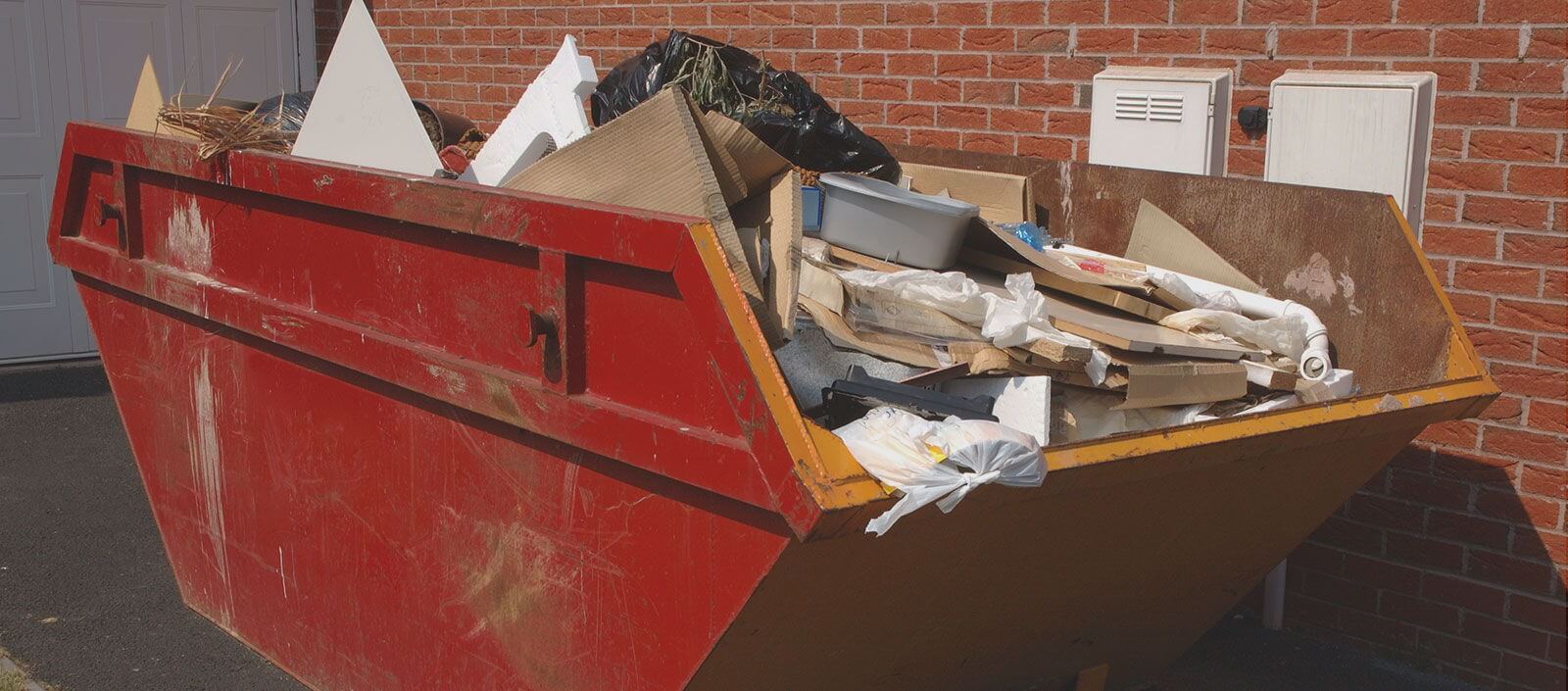
Hackney Council rules for hazardous waste and rubbish disposal
Posted on 11/09/2026
Hackney Council rules for hazardous waste and rubbish disposal: a practical guide for residents, landlords, and businesses
If you are trying to work out Hackney Council rules for hazardous waste and rubbish disposal, you are probably dealing with something awkward, time-sensitive, or a bit of both. Maybe it is a broken fridge in a narrow stairwell. Maybe it is old paint tins after a quick flat refresh. Or maybe you have a bag of mixed rubbish and you are not fully sure what counts as hazardous, what can go with normal waste, and what needs special handling. In Hackney, getting this wrong can be messy, costly, and frankly unnecessary.
This guide breaks the subject down in plain English. You will learn what the rules mean in practice, how disposal usually works, who needs to be most careful, and how to keep things legal without making the job harder than it already is. We will also look at common mistakes, sensible best practices, and the sort of real-world decisions people face in homes, flats, offices, and building projects.
To keep things practical, we will also point you towards useful local resources such as the services overview, waste carrier licence and compliance information, and recycling and sustainability guidance where they fit naturally. No fluff. Just the stuff you actually need.
Expert summary: Hazardous waste is not just "dangerous stuff" in a vague sense. It is waste that can harm people, damage property, or contaminate the environment if it is mixed, stored, transported, or thrown away carelessly. The safest approach is to identify it early, separate it cleanly, and use a lawful disposal route that matches the material.

Why Hackney Council rules for hazardous waste and rubbish disposal Matters
Hazardous waste rules matter because the wrong item in the wrong bin can create a problem that does not stay small for long. A leaking tin of paint in a communal bin store can stain floors and create fumes. A smashed fluorescent tube can spread glass and dust. A mattress soaked with unknown liquid is not just unpleasant; it can cause handling risks for anyone moving it.
In Hackney, as in the rest of London, waste is managed under a framework that expects residents and businesses to separate materials properly, avoid fly-tipping, and use responsible disposal routes. The council side of the picture is important, but so is the practical reality: most waste problems start at the point where people are not sure what they are looking at. Is it hazardous? Is it electrical? Is it bulky household rubbish? Is it commercial waste from a shop or office? Those distinctions change what you should do next.
There is also a community side to it. In dense neighbourhoods, rubbish piles up quickly. One bag left in a stairwell becomes everyone's problem by morning. One unsafe disposal decision can affect shared entrances, loading areas, and even access for cleaners or refuse crews. If you live in a flat block, run a shop, or manage a rental property, you will know the feeling: things that seem minor in a house can become much more complicated in a London block. A little care upfront saves a lot of hassle later.
Another reason this matters is cost. Illegal or careless disposal can lead to extra charges, rejected collections, repeated handling, or damage to property. And if hazardous waste is mixed with general rubbish, sorting it later can be more time-consuming than doing it properly first. To be fair, no one enjoys standing in a hallway at 7:30pm deciding what to do with a box of old bulbs and half-empty chemicals. But that small pause is often the difference between a clean disposal and a headache.
How Hackney Council rules for hazardous waste and rubbish disposal Works
The basic idea is simple: different waste streams should be handled differently. General household rubbish, bulky items, electrical items, garden waste, and hazardous materials are not treated the same way. That sounds obvious on paper, but in real life it often gets blurred together in a single cupboard, loft, or under-stair storage area.
For hazardous waste, the first step is identification. That means checking whether the item is likely to contain substances or components that need extra care. Common examples include leftover paint, solvents, adhesives, pesticides, cleaning chemicals, batteries, fluorescent tubes, certain electrical items, contaminated rags, and some building materials. Some items are hazardous because of what they contain; others because of how they can break, leak, burn, or react.
Once identified, the waste should be kept separate and contained. Lids should be closed. Liquids should not be mixed together. Containers should stay upright where possible. If packaging is damaged, place it inside a stronger outer container. This is the kind of simple rule that saves a lot of grief. A small leak in a bag can become a much bigger problem on a van floor, a landing, or a pavement.
Normal rubbish disposal, by contrast, is about making sure non-hazardous waste goes into the correct stream and is presented in a way that can be collected safely. Bulky furniture, white goods, bagged household waste, and construction leftovers each need the right approach. If you are dealing with a larger clear-out, rubbish collection in Hackney and waste removal options can help you decide what goes where, especially when a project creates mixed loads.
There is also an important responsibility question. If you are a householder, you still need to dispose of waste properly. If you are a landlord, agent, business owner, or contractor, the duty becomes more structured because you may be generating multiple waste types and need records, safe storage, and proof that the waste was handled by the right people. The most reliable operators should be clear about licensing, safety, and process. That is not just a box-ticking exercise; it protects everyone involved.
A quick note on hazardous versus bulky rubbish
People often group everything awkward into one pile. Fair enough. But hazardous waste is different from bulky waste. A broken sofa is bulky. A sofa with damaged foam that has been treated with a chemical substance may need more consideration. A fridge is bulky and electrical, but not always hazardous in the same way as liquid chemicals. The safe path is to treat uncertainty seriously and avoid mixing questionable items into ordinary rubbish.
Key Benefits and Practical Advantages
Following the rules is not just about avoiding trouble. It makes disposal smoother from start to finish.
- Less risk of contamination: Hazardous items are kept out of general waste, which helps protect people who handle, sort, or transport rubbish.
- Cleaner collections: A properly separated load is easier to remove quickly, especially in flats or buildings with tight access.
- Lower chance of rejected waste: If waste is mixed badly, it may be refused or need re-sorting.
- Better compliance for landlords and businesses: That matters if you are managing recurring clear-outs, renovations, or office moves.
- Improved sustainability: Some items can be recovered, recycled, or processed more efficiently when they are separated correctly.
There is also a practical benefit people sometimes overlook: a tidy, well-labelled waste setup makes the whole job feel less chaotic. You know what is going, what is staying, and what needs special handling. That sounds small, but if you have ever had a hallway full of bags, a half-dismantled wardrobe, and a box of old batteries all at once, you will know why clarity matters.
For businesses, the benefit is even more obvious. Good waste handling supports reputation, staff safety, and smoother operations. If your site handles regular mixed waste, a structured service can be easier than improvised one-off fixes. For some premises, a commercial approach is simply the cleanest way to stay organised.
Who This Is For and When It Makes Sense
This topic is relevant to a wide range of people in Hackney, not just big commercial sites.
- Homeowners and tenants: If you are clearing a cupboard, garage, shed, loft, or spare room.
- Landlords and letting agents: If a tenant has left hazardous or mixed rubbish behind.
- Builders and tradespeople: If a job produces packaging, rubble, treated materials, or contaminated items.
- Offices and retail units: If you are disposing of old IT equipment, batteries, cleaners, or stockroom waste.
- Property managers: If you need clear, repeatable processes for communal areas and block clearances.
It makes sense to take a closer look whenever the waste is more than a few simple bin bags, or when one item could affect the rest of the load. If you are clearing out a flat and realise the kitchen cupboard contains old aerosols, broken glass, and half-used cleaning bottles, stop and sort first. A ten-minute sort can save an hour of re-handling later. Honestly, it often does.
Some local property scenarios call for extra care. A flat clear-out after a sale, a shop refurbishment on a busy road, or a loft clearance in a building with awkward stairs all tend to produce mixed waste. In those cases, it helps to read around practical local guidance too, such as common problems with flats rubbish collection on Mare Street and access difficulties and loft rubbish removal in Homerton. The details are different, but the core lesson is the same: access and sorting matter more than people think.
Step-by-Step Guidance
If you want a simple way to handle hazardous waste and rubbish disposal in Hackney, use this process.
- Identify the waste type. Separate general rubbish, bulky items, electrical items, and anything hazardous before touching transport bags or bins.
- Check for leaks, breaks, or contamination. If there is a spill, isolate the item and avoid spreading it around the property.
- Keep similar items together. Batteries with batteries, paint tins with paint tins, mixed rubbish with mixed rubbish. Do not improvise.
- Use suitable containers. A sturdy box or sealed tub is often safer than a thin bag, especially for sharp or liquid-containing items.
- Label where practical. Even a simple written note can help if several people are involved.
- Choose the right disposal route. Use a route that matches the waste type, whether that is a specialist collection, a licensed waste carrier, or an appropriate general rubbish service.
- Keep proof and records if you need them. Businesses and landlords should be especially careful here.
One thing that helps in real life is sorting by room, not by mood. That may sound slightly odd, but it works. Kitchen waste into one group, bathroom waste into another, loft waste into another. Then you can make decisions one room at a time instead of staring at a mountain of mixed stuff and wishing it would sort itself out. It won't.
If you are arranging a removal job, it can also help to understand the wider service picture first. The services overview gives a useful sense of how different waste types are usually handled, while pricing and quotes is helpful when you want to compare the practical cost of one-off versus larger clearances.
Expert Tips for Better Results
After enough clear-outs, a few patterns become very clear. These tips may save you time and stress.
- Do a quick hazard sweep first. Before moving anything, scan for paint, aerosols, solvents, batteries, bulbs, medicines, cleaning liquids, and broken electricals.
- Do not let wet waste sit with dry waste. It creates smells, leaks, and extra handling.
- Keep electrical items separate from furniture. A chair and a toaster may both be "old stuff", but they are not the same waste stream.
- Photograph unusual items. If you are unsure, a picture helps explain the issue quickly when getting advice or arranging a collection.
- Plan access before collection day. Narrow hallways, stairs, locked gates, and parking restrictions are usually what slow things down, not the waste itself.
- Don't wait until the room is full. Disposal becomes easier when it happens in smaller, managed stages.
A small but important tip: keep a separate "questionable" pile. Not a huge one. Just one box or corner where anything uncertain goes until you have checked it properly. That way you do not have to guess in the moment. And guessing, in waste disposal, is usually expensive in one way or another.
If your waste includes white goods or appliances, it is worth reading about white goods and appliance disposal in Hackney. Appliances can be bulky, heavy, and awkwardly hazardous in a practical sense even when they are not classed as chemical waste. Same goes for builders waste disposal in Hackney, where mixed materials can quickly turn into a compliance headache if they are not separated.

Common Mistakes to Avoid
Most waste problems are not dramatic. They are just small mistakes repeated at the wrong time.
- Mixing hazardous and general waste: This is the big one. A small amount of contamination can affect the whole load.
- Leaving liquids unsealed: Even a tiny leak can spread through bags or containers.
- Forgetting about batteries and bulbs: People often miss these because they are small.
- Assuming "old" means "safe": Age does not reduce hazard. Sometimes it makes it worse.
- Using the wrong carrier: If a waste collector is not properly licensed or transparent about compliance, that is a risk you do not need.
- Ignoring access issues until collection day: That is when everyone starts rushing, and rushing leads to mistakes.
Another common issue is overstuffing bags. It looks efficient until the bag tears on the stairs or someone has to lift a slippery, overfilled load around a tight corner. Not great. If you are dealing with a property clear-out, especially in older Hackney stock, the physical layout matters almost as much as the waste itself.
Landlords should pay special attention here. If a tenant has left a loft, basement, or side-return full of mixed items, the temptation is to move everything as one load. That is often the wrong call. Sort first, then remove. It saves time later and gives a cleaner result.
Tools, Resources and Recommendations
You do not need a complicated toolkit, but a few basic items make a real difference.
- Heavy-duty bags and tubs: Better for sharp, dusty, or potentially messy waste.
- Gloves and simple eye protection: Good for sorting and handling dusty or brittle items.
- Marker pens and tape: Useful for labelling containers or separating categories.
- A torch: Handy for lofts, cupboards, and dark storage spaces.
- Phone camera: Helps you document unclear items before disposal.
If you want to make the process smoother, think in stages rather than all at once. First identify. Then separate. Then remove. That rhythm works for homes, offices, shops, and renovation projects alike. It is simple, but it keeps you out of trouble.
For a broader sense of the support available across different waste situations, the domestic waste collection, commercial waste removal, and house clearance pages can be useful starting points. If your task is smaller and more everyday, the furniture disposal and furniture removal pages are relevant too. Not every job needs a specialist response, but some clearly do.
Law, Compliance, Standards, and Best Practice
This is the part where people sometimes want a neat rule number or a single magic answer. Real life is a bit less tidy. In the UK, waste handling is governed by legal duties around safe storage, transport, transfer, and disposal. The practical message is straightforward: you should not dump hazardous waste with ordinary rubbish, and you should not pass it to an unlicensed or unsuitable collector.
For householders, the key expectation is responsible disposal. For businesses and landlords, the compliance bar is higher because you may need to show due diligence, keep records, and make sure waste is passed to a proper carrier and treated correctly. In day-to-day terms, that means asking sensible questions: who is taking the waste, are they licensed, where is it going, and can they handle the type of material you have?
Best practice also includes safe containment, clear segregation, and good housekeeping. If you store waste on-site, keep it away from heat sources, corridors, public access points, and anything that could be damaged by leaks or breakage. That may sound obvious, but you would be surprised how often a box of chemicals ends up next to moving boxes, cleaning stock, or tools. It happens.
If compliance matters to your project, it is worth reviewing waste carrier licence and compliance information before you book anything. It is also sensible to check insurance and safety details, particularly for heavier, riskier, or access-heavy jobs. That is not overcautious. It is just good business.
Options, Methods, or Comparison Table
There is more than one way to deal with hazardous waste and rubbish disposal in Hackney. The right choice depends on the type of waste, how much you have, and whether the property is domestic or commercial.
| Method | Best for | Pros | Watch-outs |
|---|---|---|---|
| Careful self-sorting and local disposal route | Small volumes of clearly separated waste | Low-cost, simple, good for tidy household jobs | Needs time, care, and correct identification |
| Licensed waste collection | Mixed or awkward loads, including hazardous items where permitted | Convenient, reduces manual handling, useful for busy homes and businesses | Quality varies; licensing and transparency matter |
| Full clearance service | House clearances, offices, lofts, or property turnover | Fast, practical, less stress on the customer | May be more than you need for a tiny load |
| Specialist handling for high-risk items | Particular hazardous materials or contaminated waste | Safer and more compliant for sensitive waste | May require advance notice and proper segregation |
If your job involves bulky items as well as awkward waste, it is often better to think in terms of a complete clearance rather than a "quick pick-up". For example, a flat clearing after tenants move out may include a mattress, a broken desk, several bags of rubbish, and a box of unknown chemicals. That is not one job; it is several, bundled together. Separating the work makes the disposal route clearer.
Local practical guides can help with planning too, especially for tight-access or mixed-load situations such as Mare Street rubbish removal for flats and shops, Hackney Wick same-day rubbish removal, and bulky rubbish collection in E9. They are not substitutes for checking the waste type, but they do help you plan the practical side.
Case Study or Real-World Example
Here is a simple, realistic example. A landlord in Hackney is turning over a two-bedroom flat after a long tenancy. The property contains a broken chest of drawers, a fridge, bagged general rubbish, a box of old batteries, several half-used cleaning products, and a couple of cracked light bulbs in the kitchen cupboard.
The first instinct might be to clear everything in one go. Easier, right? But that creates two problems. First, the hazardous items are mixed into the lot. Second, the fridge and furniture need different handling from the bagged waste. Instead, the smarter approach is to separate the batteries, bulbs, and chemicals immediately, keep them contained, then book the rest as a mixed clearance. The job becomes cleaner, safer, and less likely to be delayed.
That is exactly the sort of scenario where a coordinated clearance service helps. The landlord avoids leaving questionable items sitting in the property between viewings, the block stays tidier, and the contractor can handle each waste stream appropriately. It is not glamorous. It is just good management.
A similar thing happens in shop refits and office moves. A stockroom can hide all sorts of surprises in one afternoon: old cleaning liquids, dead electronics, damaged packaging, and general waste. Once you spot the problem items early, the rest of the job becomes far less stressful.
Practical Checklist
Use this checklist before you move anything.
- Have I checked whether any item is hazardous, sharp, leaking, or contaminated?
- Are batteries, bulbs, chemicals, aerosols, and electricals separated from general rubbish?
- Have I sealed or contained liquids properly?
- Do I know whether the waste is domestic, commercial, or mixed?
- Is there safe access for removal without blocking communal areas?
- Have I chosen a lawful and suitable disposal route?
- Do I need records, photos, or proof of collection?
- Have I reviewed any special safety or compliance needs before booking?
If you can tick most of those off, you are already ahead of the game. If not, pause and sort first. It is almost always worth it.
Conclusion
Hackney Council rules for hazardous waste and rubbish disposal are really about one simple idea: sort waste properly so people and places stay safe. Once you understand the difference between hazardous items, bulky rubbish, electrical waste, and ordinary household waste, the rest becomes much easier to manage. The hardest part is usually the first decision, and after that things start to feel more orderly.
Whether you are clearing a flat, managing a shop, dealing with builders' leftovers, or emptying a loft that has quietly become a museum of old odds and ends, a calm, structured approach saves time and reduces risk. That is true for residents, landlords, and businesses alike. And honestly, it makes the job feel a lot less grim.
When in doubt, separate first, check carefully, and choose a disposal route that matches the waste rather than forcing everything into one bag and hoping for the best. That hope is rarely rewarded.
Get a free quote today and see how much you can save.