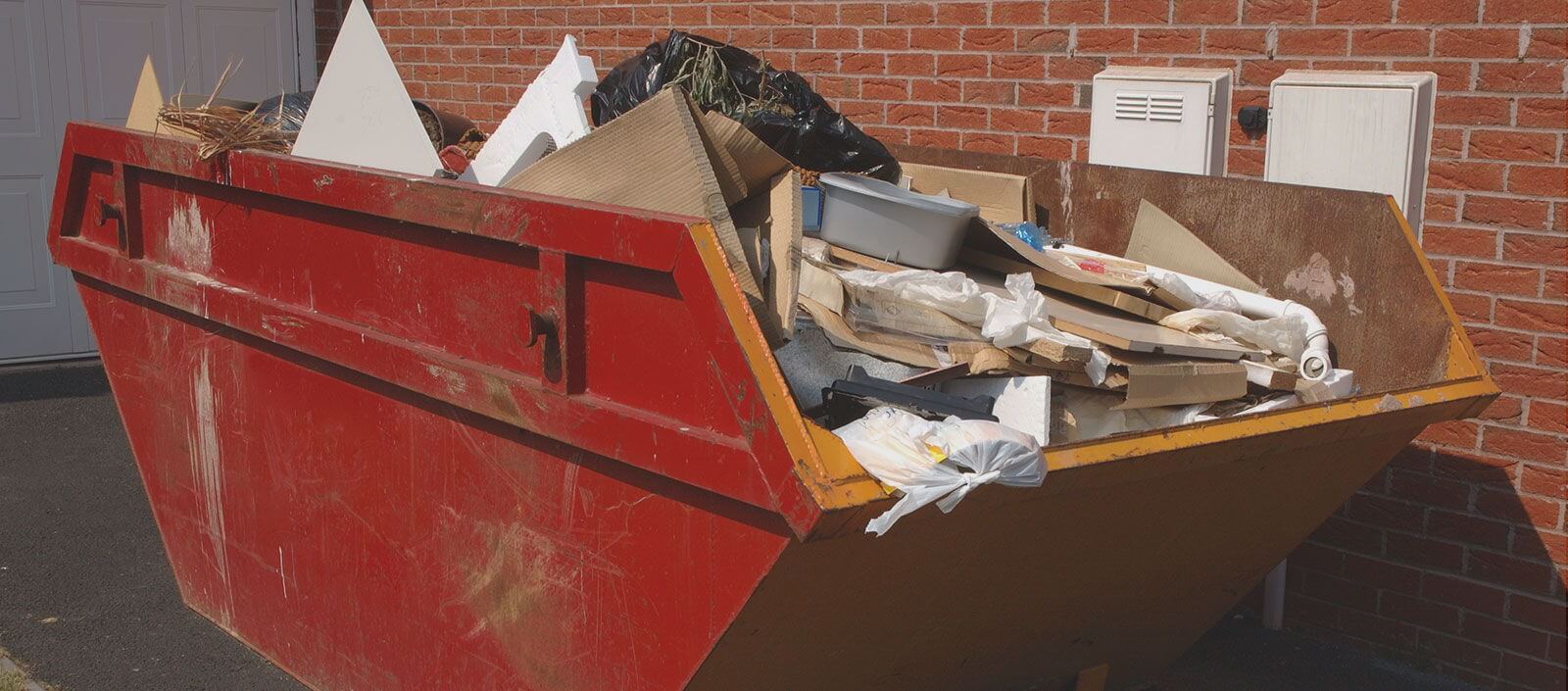
What to know about bulky rubbish collection in E9
Posted on 08/07/2026

If you live or work in E9, bulky rubbish has a habit of showing up at exactly the wrong time. A sofa that no one wants to drag downstairs. A broken wardrobe wedged into a hallway. A fridge that's been sitting there humming away for far too long. This guide explains what to know about bulky rubbish collection in E9 in plain English, so you can deal with the mess without the guesswork.
Whether you are clearing a flat, tidying a garden, emptying a loft, or getting an office back into shape, the basics are the same: understand what counts as bulky waste, prepare it properly, choose a sensible removal option, and avoid the common traps that make a simple job harder than it needs to be. Let's make it straightforward.
- Why bulky rubbish collection matters in E9
- How bulky rubbish collection works
- Key benefits and practical advantages
- Who this is for and when it makes sense
- Step-by-step guidance
- Expert tips for better results
- Common mistakes to avoid
- Tools, resources and recommendations
- Law, compliance, standards and best practice
- Options, methods and comparison table
- Case study or real-world example
- Practical checklist
- Conclusion
- Frequently asked questions
Why bulky rubbish collection in E9 matters
Bulky rubbish is not just "extra stuff". It takes up space, blocks access, slows down cleaning, and can create safety risks if it's left in a corridor, stairwell, yard, or front path. In a busy part of East London like E9, where flats, maisonettes, shops, and shared buildings are common, those problems add up quickly.
There's also the practical reality of moving large items in and out of properties. Narrow staircases, tight turns, limited parking, and neighbours who quite reasonably do not want a mattress outside the building for three days can turn a small disposal task into an awkward one. To be fair, a lot of people do not realise how much planning a "simple" sofa collection can need until they try to do it themselves.
That is why bulky waste removal matters: it helps keep homes usable, communal areas clear, and streets tidier. It also reduces the temptation to dump items illegally, which is never a good idea. If you are juggling a move, refurbishment, landlord turnaround, or just a long-overdue clear-out, getting it handled properly can save time, stress, and a fair bit of lifting.
If you are making wider decisions around a move or property turnaround, it can help to read about Hackney property buying tips and real estate in Hackney as well, because waste clearance and property presentation often go hand in hand.
How bulky rubbish collection in E9 works
At a practical level, bulky rubbish collection is the process of removing large household or commercial items that do not fit into normal bins and are awkward to transport on your own. These are usually items that need two people, trolleys, lifting straps, or careful loading into a vehicle.
Most collections follow a similar pattern:
- You identify the items that need removing.
- You check whether any of them need special handling, such as electrical appliances or items with sharp edges.
- You decide whether the job is a single-item pickup or a broader clear-out.
- You arrange a collection time that works around access, parking, and building rules.
- The items are loaded, transported, and sorted for reuse, recycling, or disposal where appropriate.
That sounds simple. Sometimes it is. Sometimes not so much. A heavy chest of drawers on the fourth floor with no lift is a very different job from collecting a garden bench from a ground-floor courtyard.
In E9, flats and shared entrances are common, so access details matter. If a collection team cannot park nearby, cannot get through a narrow entry, or has to wait for someone to unlock a gate, the whole process can slow down. Good preparation makes a real difference.
For larger or mixed loads, many people prefer a broader rubbish collection in Hackney or a wider waste removal service, especially where there are several item types to move in one visit.
Key benefits and practical advantages
The biggest benefit is obvious: space. Once the bulky items are gone, rooms feel usable again. Hallways open up. A spare room becomes a spare room rather than a storage cave. That alone can be a relief.
But there are other advantages too:
- Less physical strain: You avoid carrying heavy furniture down stairs or across awkward landings.
- Better safety: Large items left in walkways can cause trips, blocked exits, or damage.
- Cleaner presentation: Helpful for landlords, sellers, letting agents, and business owners.
- More efficient sorting: Reusable items, metal, wood, and electricals can be handled more appropriately.
- Time saved: One coordinated visit is usually easier than several trips to a disposal point.
There is also a less obvious benefit: peace of mind. It is strange how much mental background noise disappears once the big pile by the wall is gone. Suddenly the room feels like part of your life again, not a project you keep stepping around.
For people managing a property refresh, a full clear-out can also sit neatly alongside house clearance, loft clearance, or office clearance, depending on the space involved.
| Benefit | What it means in practice | Why it matters in E9 |
|---|---|---|
| Space recovery | Rooms and access routes become usable again | Helpful in compact flats and shared buildings |
| Safety | Fewer trip hazards and less manual lifting | Important in stairwells, narrow hallways, and communal areas |
| Speed | One organised visit rather than repeated effort | Useful when parking or access is limited |
| Better disposal outcomes | Items can be sorted for recycling or reuse where possible | Supports cleaner, more responsible clearance |
Who this is for and when it makes sense
Bulky rubbish collection is for far more people than you might think. It is not just for someone who has bought a new sofa. The most common situations include:
- People moving home and clearing out old furniture
- Landlords between tenancies
- Tenants leaving behind items that cannot stay in the property
- Families doing a seasonal or post-renovation clear-out
- Small businesses replacing office furniture or broken equipment
- Shop owners dealing with packaging, display fixtures, or old stock
- Anyone with one or more large items that are too awkward for normal collection
It makes sense when the items are too heavy, too bulky, too numerous, or too inconvenient to handle yourself. It also makes sense when you are short on time. That might sound obvious, but in real life, "I'll do it next weekend" has a habit of turning into "it's still there three weeks later".
If you are dealing with bulky items alongside garden cuttings or outdoor clear-up material, the mix may be better suited to garden waste removal or even a combined collection, especially after a bigger project. For homeowners and renters, domestic waste collection in Hackney can also be a useful starting point if the waste is more mixed than bulky.
Step-by-step guidance
If you want the smoothest experience, it helps to treat bulky waste removal as a small project rather than a last-minute chore. Here is a practical way to approach it.
- Walk through the property first. Identify everything you want removed. Be honest here. If you hesitate over an old chair, decide now rather than on collection day.
- Separate bulky items from small waste. Keep packaging, loose rubbish, and recyclables in different piles if you can.
- Check for special items. White goods, mattresses, upholstered furniture, and electricals may need different handling.
- Measure access. Door widths, stair turns, lift size, basement steps, and parking access all matter.
- Take photos if needed. This is especially helpful when you are arranging a quote or dealing with several large items.
- Clear the route. Move plant pots, shoes, bikes, or anything else that could slow the team down.
- Agree timing. Choose a slot that avoids school run chaos, delivery windows, or building restrictions where possible.
- Ask how the items will be handled. Good operators should be able to explain whether the load will be reused, recycled, or disposed of responsibly.
A useful rule of thumb: if it looks awkward for one person to move, plan as though it will be awkward for everyone. That is not pessimism. That is experience.
If you are preparing for a larger strip-out or refurbishment, builders waste disposal in Hackney may be more relevant than standard bulky waste handling, particularly when plasterboard, timber offcuts, or mixed renovation debris is involved.
Expert tips for better results
Here is the part that tends to save people the most hassle. Small decisions upfront can make the whole collection feel calm instead of chaotic.
- Group items by room. This makes it easier to check that nothing has been forgotten.
- Keep access clear from the start. Do not wait until the vehicle arrives. Move the bikes, the mop bucket, the random box of cables - all of it.
- Be specific about what is included. "A few bits of furniture" and "three wardrobes, one mattress, and a broken dryer" are very different conversations.
- Separate reusable items if possible. If something can be passed on, keep it apart from damaged waste.
- Consider timing around neighbours. Early morning collections can be efficient, but not every building enjoys them. Fair enough, really.
- Think ahead about parking and loading. In E9, a smooth pickup often depends on simple access more than anything else.
One more thing: if you are clearing a flat, it is worth looking up your building rules before you begin. Some blocks have specific guidance about where items can be left and when. Ignoring that can create unnecessary friction. Nobody needs that on a Tuesday morning.
For collections involving old sofas, tables, wardrobes, or other large household pieces, furniture removal and furniture disposal are often the most relevant service routes. For appliances, it is worth considering white goods and appliance disposal so the item is handled properly.
Common mistakes to avoid
Most bulky rubbish problems are not caused by the waste itself. They come from rushing, guessing, or underestimating how much effort the job needs. The usual mistakes are easy to spot once you know them.
- Leaving everything until the last minute. That often means poor access, more stress, and less choice over timing.
- Mixing bulky waste with general rubbish. It makes sorting harder and can complicate the collection.
- Forgetting about access constraints. A sofa that fits inside a room may still be difficult to get out. Funny how that happens.
- Not checking item type. Some items need particular handling, especially electricals and awkward mixed materials.
- Assuming every collection is the same. A single mattress, a full flat clearance, and a shop refit are all very different jobs.
- Ignoring compliance. Using the wrong operator or handing waste to someone unsuitable can create problems later.
Another common issue is poor communication. If the collection team thinks they are collecting two items and turns up to find ten, everyone loses time. It is better to over-explain than under-explain. Really.
Tools, resources and recommendations
You do not need specialist equipment for every bulky waste job, but a few simple tools can make things easier and safer. The idea is not to turn your flat into a warehouse; it is to avoid strain and surprises.
- Measuring tape: Useful for doors, stair turns, lifts, and item dimensions.
- Gloves: Good for dusty edges, splinters, or sharp hardware.
- Labels or sticky notes: Handy if you are sorting keep, donate, recycle, and remove piles.
- Trolley or sack truck: Helpful for heavier items if you are moving anything short distances.
- Basic cleaning supplies: Once the bulky items are gone, a quick sweep can make the space feel finished.
For practical decision-making, it also helps to look at the provider's service range. A page like services overview can be useful if you want to understand how bulky collections fit alongside domestic, commercial, and clearance work. If your priority is budgeting, the team's pricing and quotes information is also worth a look before you book anything.
If you care about disposal outcomes, ask how items are sorted after collection. Responsible handling matters. A lot of the time, the difference between decent and genuinely good service is what happens after the van leaves.
You may also want to read more about recycling and sustainability if you are trying to keep the clear-out as responsible as possible.
Law, compliance, standards and best practice
For waste removal in the UK, compliance is not something to shrug off. You do not need to become an expert overnight, but you should understand the basics. Waste should be handled by a suitable, legitimate operator, and householders or businesses should take reasonable care over where their rubbish goes.
That means you should be cautious about anyone offering suspiciously cheap disposal with vague answers about where the waste ends up. If someone cannot explain how they operate, that is a warning sign. The same goes for cash-only arrangements without proper documentation. It may sound convenient at first. It often turns out not to be.
Best practice usually includes:
- Using a properly registered and transparent waste carrier
- Keeping a record of what was removed and when, especially for business waste
- Separating electricals, metal, timber, and reusable furniture where practical
- Avoiding obstruction in shared corridors, entrances, and footpaths
- Making sure any collection method is safe for workers and residents
Insurance and safety also matter. In real terms, bulky waste jobs involve lifting, moving, and loading heavy objects in spaces that are not always designed for it. That is why it helps to choose a provider that treats safety seriously and follows sensible working practices. If you want to understand the kind of reassurance you should expect, the page on insurance and safety is a sensible place to start.
You can also look at waste carrier licence and compliance for a plain-English reminder of why this matters. And if you care about ethical practice more broadly, modern slavery statement is another sign that a business is willing to show how seriously it takes responsible operations.
Finally, the paperwork side should not be ignored either. Useful pages like terms and conditions, privacy policy, cookie policy, and payment and security help build confidence before you book.
Options, methods and comparison table
There are a few ways to deal with bulky rubbish in E9. The best choice depends on volume, access, timing, and whether you want the job handled in one sweep or in stages.
| Option | Best for | Pros | Things to watch |
|---|---|---|---|
| One-off bulky collection | Single items or a few large pieces | Quick, simple, minimal disruption | Needs clear access and accurate item details |
| Full property clearance | Moves, probate, lettings, emptying rooms | Efficient for larger jobs | Requires better planning and item sorting |
| Furniture-only removal | Sofas, wardrobes, tables, beds | Good for home refreshes | May not suit mixed waste streams |
| Appliance disposal | Fridges, washing machines, cookers | Handled with the right precautions | Some items need special handling |
| Mixed waste removal | Projects with bulky and smaller waste together | Flexible and convenient | Needs clear separation guidance |
There is no single "best" answer for everyone. A landlord clearing a one-bedroom flat after a tenancy probably needs a different approach from a cafe replacing old stockroom shelving. If your job overlaps with business waste, then commercial waste removal may fit better than a domestic collection. If the job is tied to a workplace refresh, office clearance can be the cleaner route.
Case study or real-world example
Imagine a typical E9 flat: a tenant has moved out, there is a three-seat sofa, a broken office chair, an old bedside cabinet, and a fridge in the kitchen that has stopped cooling properly. The hallway is narrow, the stairwell bends sharply, and there is limited time before the next viewing.
On paper, it sounds manageable. In reality, the sofa is too awkward to turn without removing the cabinet first, the fridge needs careful lifting, and the front entrance has a tight window for loading. If you try to handle it piecemeal, you may spend half a day shifting things before anything actually leaves the property.
A better approach would be:
- Group the items in one place before collection day
- Measure the fridge and sofa dimensions
- Check access and parking conditions
- Confirm whether the fridge counts as a white good needing special handling
- Book a collection that covers the full load at once
That kind of planning saves time and also reduces the chance of someone scraping a wall or trapping a finger on a door frame. Not glamorous, I know. But very real.
In areas with busier streets and mixed premises, it can also help to read a more localised guide like Mare Street rubbish removal guide for flats and shops or Hackney Wick same-day rubbish removal service availability if timing is tight. For larger combined loads, London Fields bulk rubbish collection and garden waste and Clapton Estate rubbish clearance tips for landlords offer useful nearby context.
Practical checklist
Use this before your bulky rubbish collection. It keeps things simple.
- List every item that needs removing
- Separate bulky items from loose rubbish
- Check whether any items are electrical or need special handling
- Measure doors, staircases, lifts, and the items themselves
- Confirm access, parking, and building rules
- Clear the route to the collection point
- Take photos if you need to explain the job clearly
- Ask how the items will be sorted after collection
- Review the provider's safety and compliance information
- Keep any items you want to retain well away from the removal pile
If you can tick those off, you are already ahead of the game. Not every job needs a grand plan, but this one benefits from a bit of organisation.
Conclusion
At its core, what to know about bulky rubbish collection in E9 comes down to three things: know what you need removed, prepare the access properly, and choose a safe, compliant way to get it out. Once those are in place, the rest becomes much easier.
In a postcode like E9, where homes and businesses often deal with tight spaces, shared access, and limited parking, a thoughtful approach makes a noticeable difference. You do not need to overcomplicate it. Just be clear, be organised, and do not leave the hard part to the last minute.
Get a free quote today and see how much you can save.
If you are ready to clear the clutter, start with a calm plan and a reliable collection approach. Small wins count. And honestly, the relief of seeing that bulky pile disappear is hard to beat.