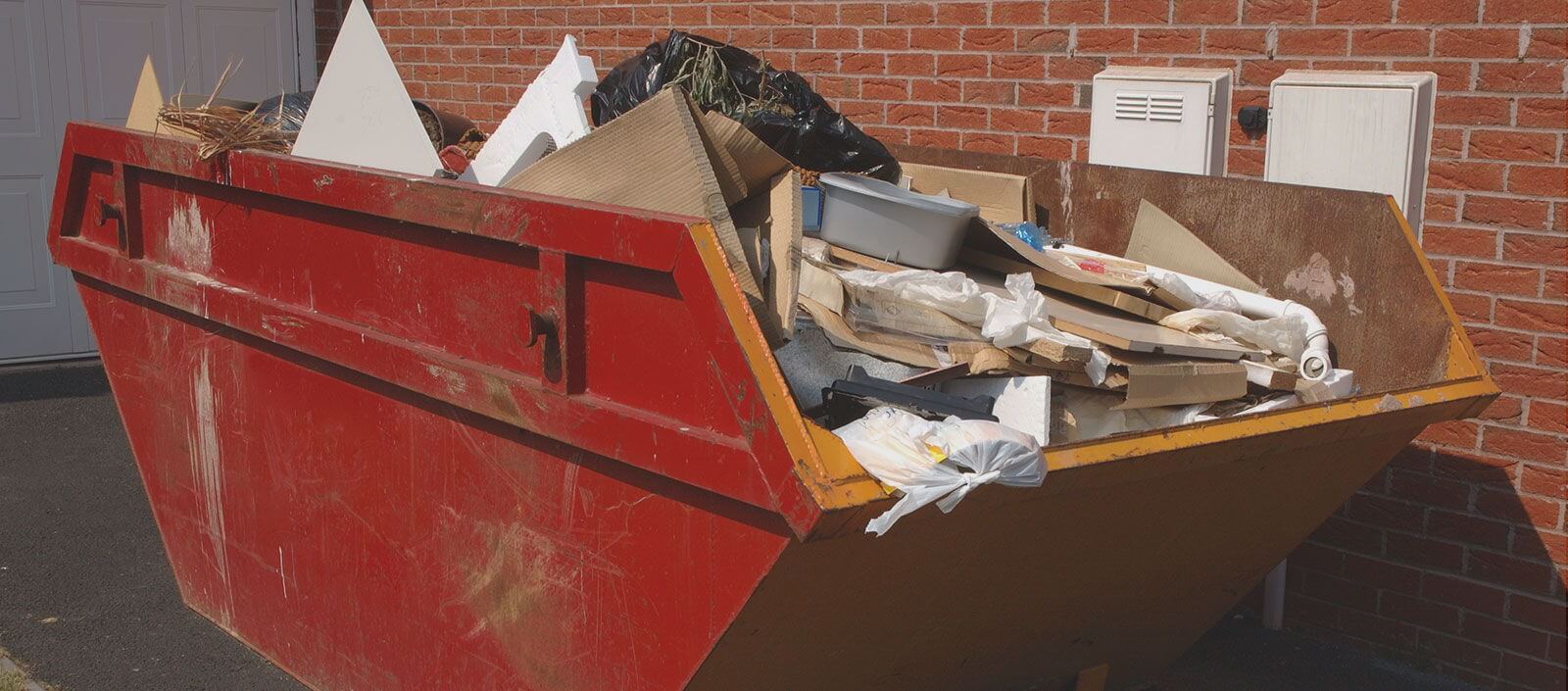
Mare Street rubbish removal guide for flats and shops
Posted on 29/05/2026
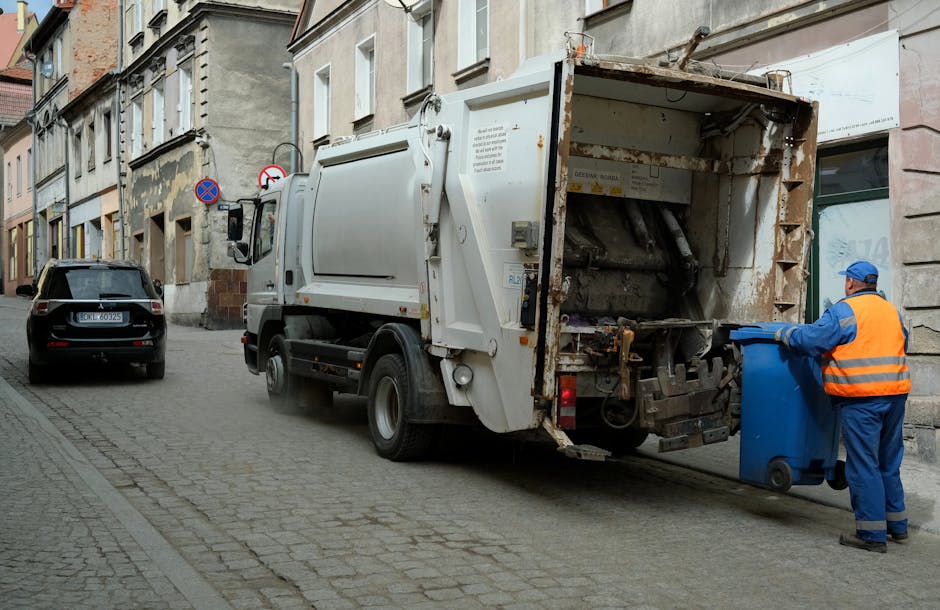
If you live above a parade of shops, manage a busy retail unit, or simply try to keep a flat in good shape on a street like Mare Street, rubbish can pile up faster than you expect. One delivery day, one refit, one clear-out, and suddenly there are boxes in the hallway, broken shelving by the back entrance, and a bin area that looks a bit sorry for itself. This Mare Street rubbish removal guide for flats and shops is here to make the whole process clearer, calmer, and much less annoying.
The main challenge on a street like this is not just getting waste taken away. It is doing it without creating problems for neighbours, customers, landlords, or building managers. You want waste removed quickly, handled properly, and dealt with by people who understand access, timing, and compliance. Sounds simple. In practice, not always.
Below you will find a practical walkthrough of how rubbish removal works for flats and shops on Mare Street, what to watch out for, how to choose the right service, and where a bit of planning saves a lot of hassle. Truth be told, the neatest job is usually the one nobody really notices.
- Why Mare Street rubbish removal matters
- How rubbish removal works in flats and shops
- Key benefits and practical advantages
- Who this is for and when it makes sense
- Step-by-step guidance
- Expert tips for better results
- Common mistakes to avoid
- Tools, resources and recommendations
- Law, compliance, standards and best practice
- Options, methods or comparison table
- Case study or real-world example
- Practical checklist
- Conclusion
- Frequently asked questions
Why Mare Street rubbish removal guide for flats and shops matters
Mare Street has a particular kind of rhythm. It is busy, mixed-use, and always moving. You have residents in flats, independent retailers, cafes, offices, and the everyday flow of deliveries, foot traffic, and evening activity. That mix is great for local life, but it can make waste management tricky. A large black bag left in the wrong place can block access. A stack of cardboard can blow across a pavement. A shop strip-out can create noise, dust, and awkward access issues if it is not handled properly.
For flats, rubbish removal is often about shared spaces. That means stairwells, internal corridors, bin stores, and narrow entry points. For shops, the challenge is different but just as real: stock packaging, old fittings, display units, fridges, shelving, and regular commercial waste all need to disappear without disrupting trading hours. In both cases, the waste itself is only half the story. Timing, access, and responsibility matter just as much.
There is also a trust factor. If you are hiring someone to remove waste, you want confidence that they will load it legally, transport it properly, and not leave you to deal with a mess later. On a street as visible as Mare Street, the wrong approach is obvious to everyone within minutes. And let's face it, nobody wants that.
If you are comparing broader services too, the local services overview is a good place to understand what type of help fits different waste jobs. For shops in particular, the commercial side often overlaps with commercial waste removal in Hackney, while residents dealing with household clutter may need a more domestic service route.
How Mare Street rubbish removal guide for flats and shops works
Rubbish removal for flats and shops usually follows a simple pattern: identify the waste, book the right service, prepare access, and arrange collection at a practical time. That sounds straightforward. The detail is where jobs succeed or become a headache.
For flats, waste may need to be moved from inside the property to a shared loading point or brought down flights of stairs. If there is no lift, or the lift is small, heavy items like wardrobes or washing machines can take extra time. That affects labour, safety, and the amount of planning needed.
For shops, collections often need to happen around opening hours, deliveries, and customer flow. A retailer on Mare Street does not usually want a clearance team arriving in the middle of a lunch rush, which is fair enough. Some businesses prefer early mornings; others want end-of-day removal once the shutters come down. Either way, timing is part of the service, not a small extra.
A proper removal service should also separate useful items from general rubbish where possible. That might mean diverting furniture, metal, white goods, or recyclable packaging into the right streams. If you have awkward items such as fridges, office chairs, or worn-out shelving, it helps to know whether they need specialist handling. You can see the relevant categories through pages like furniture removal in Hackney and white goods and appliance disposal.
In many cases, the process is faster when the customer gives accurate information upfront. Photos, rough dimensions, floor level, access notes, and parking restrictions all help. A five-minute message can save a thirty-minute delay. Small thing, big difference.
Key benefits and practical advantages
There are plenty of reasons to get rubbish removed properly instead of trying to piecemeal it yourself. Some are obvious. Some are not.
- Less disruption: Waste gone quickly means less clutter in hallways, stockrooms, and front-of-house areas.
- Better presentation: Shops look more inviting, and flats feel calmer when excess junk is removed.
- Safer access: Clear floors and walkways reduce trip hazards for residents, staff, and customers.
- More efficient use of space: Old fixtures and packaging are often taking up valuable room for no good reason.
- Lower stress: You do not need to hire a van, lift heavy items, or figure out disposal rules on your own.
- Better compliance: A responsible carrier should deal with waste in line with accepted UK practice.
- Cleaner shared areas: That matters a lot in blocks with multiple occupants and frequent visitors.
For shops, there is a commercial upside too. A clear back area, tidy frontage, and uncluttered stockroom usually make the business feel more organised. In flats, a proper clear-out often improves day-to-day life in a way people only notice after the job is done. Less noise, less mess, fewer arguments about who left what where. Nice change, honestly.
If you are planning a bigger declutter or end-of-tenancy style clearance, services such as house clearance in Hackney or office clearance in Hackney may be more suitable depending on the setting.
Who this is for and when it makes sense
This guide is useful for a few different people, and the needs are not quite the same.
Flat residents: If you are clearing furniture, old appliances, renovation leftovers, or years of accumulated clutter, professional removal saves time and avoids stairwell damage. It is especially useful when you have no lift, limited parking, or a tight moving schedule.
Landlords and agents: Void periods, post-tenancy clear-outs, and pre-sale refreshes all benefit from a fast, tidy collection. If a property is being prepared for a new occupant, waste removed on time can make the whole turnaround smoother. That can matter more than people think.
Retailers and shop managers: Cardboard, packaging, display units, broken fixtures, and old stock all need regular attention. If a shop is being refitted or downsized, a one-off clearance can be the cleanest way to reset the space.
Property managers and building operators: Shared waste areas need a process that works repeatably, not just once. A plan for bulky items, overflow waste, and periodic clearances helps keep the building presentable.
Contractors and fit-out teams: After a strip-out or small renovation, builders' waste can build up fast. For those jobs, you may need a specialist route such as builders waste disposal in Hackney.
When does it make sense to book help rather than do it yourself? Usually when the item is heavy, the access is awkward, the volume is too much for normal bins, or the waste needs to go quickly. If any one of those boxes is ticked, the job gets easier with proper support.
Step-by-step guidance
Here is a practical way to organise rubbish removal on Mare Street without overcomplicating it.
- Identify the waste clearly. Separate general rubbish, bulky items, furniture, appliances, cardboard, and any builders' waste.
- Check access. Think about staircases, lifts, entrances, rear lanes, loading bays, and parking restrictions.
- Measure the awkward items. A sofa that looks manageable in a room can become a problem at the doorway. Happens all the time.
- Decide your timing. Flats may need quieter collection windows; shops often need early or late visits to avoid customers.
- Ask for a clear quote. Good pricing should reflect volume, labour, access, and any special handling.
- Prepare the items. Empty cupboards, detach loose parts if safe, and keep items together where possible.
- Protect shared spaces. If you are in a flat, warn neighbours or the building manager if the collection will use common areas.
- Confirm disposal details. Choose a carrier who can explain how waste will be handled, reused, recycled, or disposed of.
- Check the area after collection. Make sure no debris, fixings, or packaging has been left behind.
A useful rule of thumb: the more accurate your description before the job, the less likely you are to get a surprise on the day. And surprise is rarely a good word in waste removal.
Expert tips for better results
Over time, a few patterns become obvious. The better jobs usually start with a bit of prep and a realistic plan.
- Group waste by type. Don't make the crew sort through one giant pile unless you have to. It slows things down.
- Keep pathways open. Clear a route from the waste point to the exit. Even an extra chair in the hall can get in the way.
- Use photos for quotes. A couple of pictures often help more than a long description.
- Think about neighbours. In flats, a polite heads-up can avoid complaints about noise or temporary blockage.
- Book around business rhythm. For shops, choose times when footfall is lower and staff can focus on the handover.
- Ask what happens to reusable items. Furniture, fixtures, and some appliances may be better separated from general rubbish.
- Check loading access in advance. In central and inner-London streets, parking can be the difference between a smooth job and a tedious one.
Here is a small but useful tip: if you run a shop, keep a simple waste diary for a week before the collection. Just rough notes. You will quickly see whether your rubbish is mostly packaging, old display material, or bulky mixed waste. That makes future collections much easier to plan.
For businesses with regular commercial waste, it may also help to explore the service structure behind rubbish collection in Hackney and the broader waste removal services available locally.

Common mistakes to avoid
Most waste-removal problems are boringly predictable. That is the good news. If you know the usual pitfalls, you can dodge them.
- Underestimating volume: A few bags plus one old wardrobe often turns into a half-van load once everything is gathered.
- Ignoring access issues: Narrow staircases, locked gates, and loading restrictions can add time if no one mentions them early.
- Leaving everything mixed together: Waste, recyclables, and salvageable items all in one pile makes the job slower and less efficient.
- Choosing only on price: The cheapest quote is not always the best if it comes with poor communication or unclear disposal practice.
- Forgetting building rules: Some flats have quiet hours, concierge procedures, or booking requirements for lifts and service entrances.
- Assuming all waste is the same: Fridges, sofas, mattresses, and builders' rubble can need different handling.
One more thing: do not leave bulky waste on the street "just for an hour". It almost never stays for an hour, and the result can be awkward for everyone nearby. Better to plan properly. Slightly dull, yes. But far better.
Tools, resources and recommendations
You do not need fancy kit for most removals, but a few basics make a real difference.
| Tool or resource | Why it helps | Best for |
|---|---|---|
| Phone camera | Provides visual proof of the waste type, quantity, and access challenges | Quotes and planning |
| Measuring tape | Helps confirm whether bulky items fit through doors, stairwells, and lifts | Furniture and appliances |
| Labelled bags or boxes | Makes sorting quicker and reduces confusion on the day | Mixed flat clear-outs |
| Access notes | Documents entry points, codes, parking, and loading restrictions | Flats and shopfronts |
| Recycling plan | Helps separate cardboard, metal, and reusable materials from general rubbish | Commercial and domestic jobs |
For service confidence, it is worth reading the local pages about waste carrier licence and compliance, plus recycling and sustainability. Those pages help explain how professional disposal should be handled in plain English, which is exactly what most people need.
If you are weighing up cost and timing, the pricing and quotes page is useful for understanding how jobs are usually estimated. And if you care about how bookings are handled safely, the information on payment and security can help reassure you before you go ahead.
Law, compliance, standards, or best practice
Waste removal is not just a practical task. It also comes with responsibility. In the UK, waste should be handled by a legitimate carrier, and you should feel comfortable asking how a company manages collection, transport, and disposal. You do not need to turn into a compliance expert, but you should expect clear answers.
For flats and shops on Mare Street, the main best-practice points are usually these:
- Use a licensed waste carrier. That helps reduce the risk of fly-tipping or improper disposal.
- Keep records where sensible. Businesses often benefit from keeping basic notes, receipts, or collection details.
- Separate hazardous or specialist items. Some waste requires extra care and should not be mixed with standard rubbish.
- Respect access and safety rules. Shared buildings often have conditions around loading, lift use, and stairwell protection.
- Be careful with confidential material. Shops and offices should manage paperwork and branded materials properly.
If you want to understand the provider's wider standards and responsibilities, the pages on insurance and safety and about us are useful trust signals. They help show how a responsible operator thinks about risk, protection, and day-to-day service quality.
For anyone based in a mixed-use building, compliance is often less about paperwork for its own sake and more about keeping things clean, sensible, and predictable. That is the real goal. Plain and simple.
Options, methods, or comparison table
Different waste jobs call for different approaches. Below is a simple comparison to help you decide what fits best.
| Method | Best for | Pros | Limitations |
|---|---|---|---|
| DIY tip run | Very small amounts of bagged waste | Can be cheap if you already have transport | Time-consuming, lifting risk, parking and disposal hassle |
| Regular bin collection | Routine household or shop waste | Simple and familiar | Not suitable for bulky items or one-off clearances |
| Man-and-van rubbish removal | Mixed waste, flats, shop clear-outs, bulky items | Quick, flexible, usually handled from collection to disposal | Needs accurate quoting and access information |
| Specialist clearance service | Large voids, offices, stockrooms, builders' waste | Good for complex or high-volume jobs | May be more structured and job-specific |
For most Mare Street flats and shops, a man-and-van style collection or a targeted clearance service is the sweet spot. It handles awkward items, awkward access, and tight timings without you needing to manage the logistics yourself. That is usually the point where people exhale and say, "Right, that's sorted."
Case study or real-world example
Imagine a shop on Mare Street that is refreshing its front area before a new season. The back room has old display units, two damaged shelving sections, flattened cardboard, and a broken mini-fridge from the staff area. At the same time, the building above has flat residents who share the same rear access route. There is no spare room for clutter, and deliveries are due the next morning.
The first step is not removal. It is sorting. The team separates cardboard, reusable fittings, broken appliances, and general waste. Photos are taken so the collection can be planned properly. The shop manager checks the best time slot, which turns out to be early evening after the main trading rush. Access notes are passed on: back gate code, narrow stairwell near the service entrance, and no parking directly outside.
On the day, the crew works through the waste in a logical order. Cardboard first. Then the shelving and display pieces. The fridge is handled separately because it needs different disposal treatment. By the end, the back room is clear, the route is swept, and the shared access area is left tidy. No drama, no complaints from the flats above, no awkward leftovers by the bins.
That kind of job sounds small, but it shows the value of planning. Most waste issues are not caused by the rubbish itself. They come from poor coordination. Once that is fixed, the whole thing becomes much simpler.
Practical checklist
Use this checklist before booking rubbish removal for a flat or shop on Mare Street.
- Take clear photos of the waste pile.
- List any bulky or heavy items separately.
- Check whether you have stairs, lift access, or narrow doorways.
- Note parking or loading restrictions.
- Confirm the best time for collection.
- Ask whether the carrier is licensed and insured.
- Separate reusable furniture, appliances, and recyclables if possible.
- Warn neighbours or building management if shared access will be used.
- Remove personal items, keys, and paperwork from any furniture or boxes.
- Ask for a clear price breakdown before confirming.
- Check whether special items need separate handling.
- Inspect the area after collection for any loose waste.
Expert summary: The easiest Mare Street rubbish removal jobs are the ones that are properly described before the team arrives. Clear photos, decent access notes, and realistic timing turn a stressful task into a straightforward one.
Conclusion
Mare Street is lively, mixed, and always on the move, which is part of its appeal. But that same energy means flats and shops need rubbish removal that is organised, careful, and practical. Whether you are clearing a one-bedroom flat, emptying a stockroom, or dealing with bulky items after a refit, the basics stay the same: identify the waste, plan the access, choose a trustworthy service, and keep the process tidy from start to finish.
The good news is that once you know what to look for, the whole job becomes much less daunting. A bit of prep saves time. A bit of clarity saves money. And a bit of local know-how saves a lot of stress. That is often the difference between a messy day and a smooth one.
If you are ready to sort your waste properly, compare the service details, check compliance information, and choose the collection route that fits your property or business best.
Get a free quote today and see how much you can save.