London Fields bulk rubbish collection and garden waste
Posted on 14/06/2026
London Fields Bulk Rubbish Collection and Garden Waste: A Practical Guide for Homes, Landlords, and Local Businesses
If you are dealing with a heap of old furniture, broken household items, hedge cuttings, soil bags, or the aftermath of a garden refresh, London Fields bulk rubbish collection and garden waste removal can save a lot of time and stress. It is one of those jobs that looks manageable right up until you start lifting, sorting, bagging, and trying to figure out what can actually go where.
In a busy part of Hackney like London Fields, space is tight, access can be awkward, and waste builds up quickly. Whether you are clearing a flat, tidying a back garden, getting a property ready for tenants, or dealing with a seasonal clear-out, the right approach makes a huge difference. This guide explains how bulk rubbish and garden waste collection works, who it suits, how to prepare properly, and how to avoid the mistakes that turn a simple job into a messy one.
Along the way, we will also cover compliance, recycling, practical planning, and a few useful service options such as rubbish collection in Hackney, garden waste removal in Hackney, and broader waste removal services when the job is bigger than a single pile of bags.
Why London Fields bulk rubbish collection and garden waste Matters
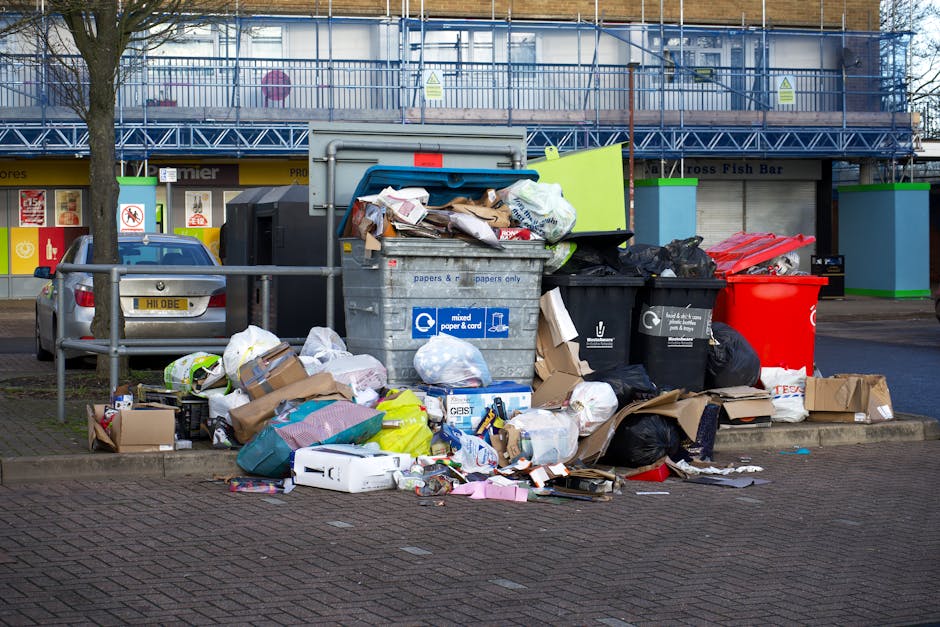
London Fields has its own rhythm. Terraces, flats, shared gardens, busy side streets, and a constant cycle of moving, refurbishing, and sorting life out. That means bulky rubbish and garden waste can accumulate faster than people expect. A couple of old chairs, a damaged mattress, a broken wardrobe, and a few sacks of soil or cut branches can suddenly become a serious logistical problem.
Bulk rubbish collection matters because it keeps homes, gardens, and shared spaces usable. It also helps prevent the common "I'll deal with it next weekend" problem. Let's face it, that weekend often disappears. And once waste starts sitting around, it can attract pests, create trip hazards, and make a property look neglected.
Garden waste is slightly different from general rubbish. It is often lighter, greener, and easier to recycle if sorted properly. But it can also be bulky. Prunings, turf, roots, cuttings, and old compost bags take up room fast, especially after a proper tidy-up or end-of-season cutback. If you have ever looked at a pile of hedge trimmings and thought, "That can't possibly be this much," you are not alone.
There is also a strong local relevance here. In areas with dense housing and shared access, the way waste is removed matters almost as much as the removal itself. Good collection keeps pavements clearer, reduces disruption, and makes things easier for neighbours, tradespeople, and residents. That is a small thing until it isn't.
For broader context around local living and property patterns, it can be useful to understand the area itself. Articles like what locals say about life in Hackney and the dynamic vibe of Hackney London help explain why efficient, low-fuss services matter so much in this part of London.
How London Fields bulk rubbish collection and garden waste Works
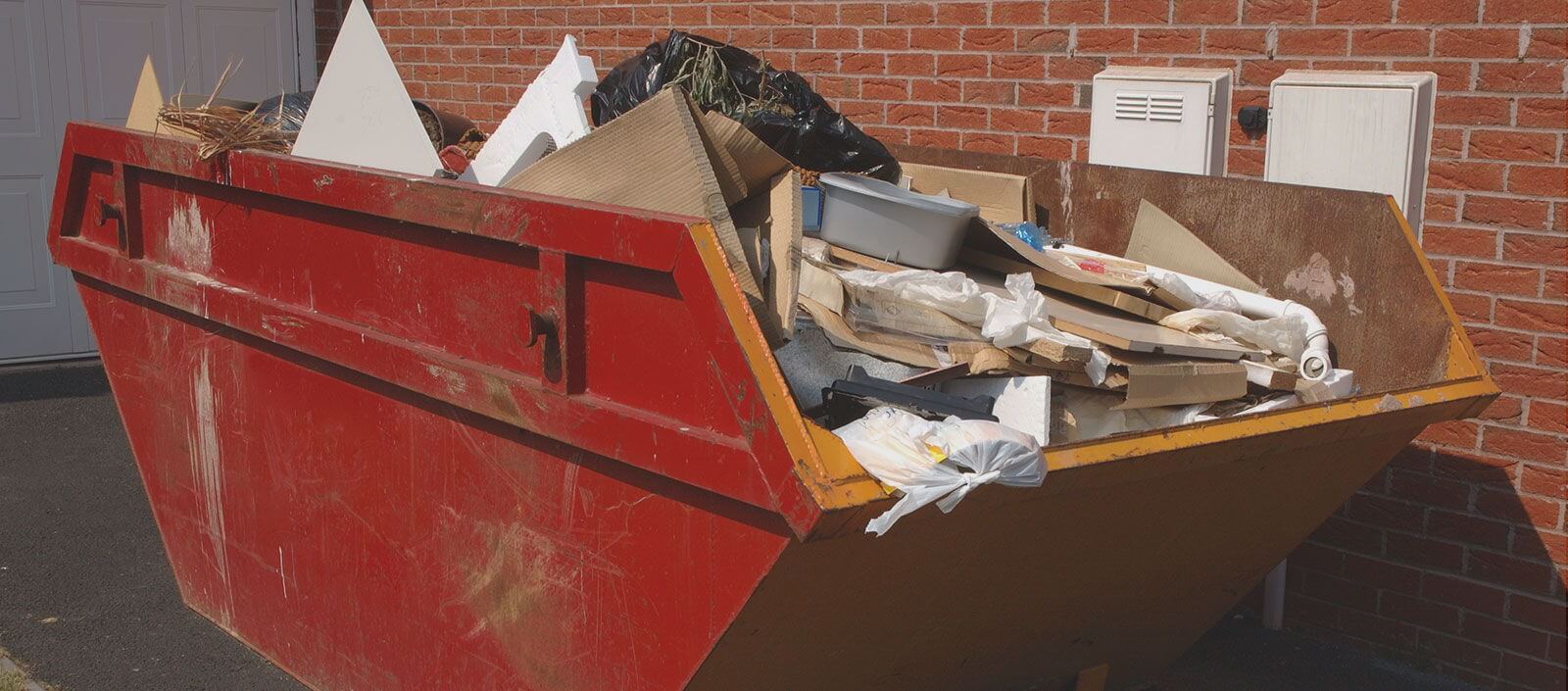
At a practical level, bulk rubbish collection is about removing items that do not fit normal household waste routines. Garden waste collection focuses on green waste such as branches, grass, weeds, leaves, and similar organic material. In many real-world jobs, those two categories appear together. A garden clear-out often uncovers broken patio furniture, old plant pots, and general junk. A loft or flat clearance may also spill into the back garden. Life is tidy in theory. Not always in practice.
The process usually starts with sorting. Some materials can be recycled separately, some may need specialist handling, and some should never be mixed with green waste. For example, a bag of hedge clippings is not the same thing as soil mixed with rubble. That distinction matters because it affects loading, processing, and disposal routes.
Then comes access planning. London Fields properties can involve narrow entrances, shared hallways, basement steps, or tight outdoor access. If the waste has to be carried by hand, the route matters. The best collections are the ones that are planned with the site, the volume, and the weight in mind.
In many cases, a provider will quote based on the amount of waste, the type of material, and any special handling required. Transparent pricing helps you compare options clearly. If you want to understand how quotes are usually structured, it is worth reviewing pricing and quote guidance before you book.
Garden waste removal can be a standalone job or part of a wider clean-up. If you are clearing after landscaping, for instance, you may also have timber offcuts, old sleepers, broken fencing, or unwanted planters. For that reason, some people choose a more general service rather than splitting the job into pieces.
When done well, collection is simple from the customer's point of view. Waste is assessed, loaded, taken away, and directed into the most suitable disposal or recycling route. The details behind that process matter more than they first appear.
Key Benefits and Practical Advantages
There is a reason people pay for bulk rubbish and garden waste collection instead of trying to handle everything themselves. It is not just convenience, though that is a big part of it. It is also about time, safety, and avoiding the kind of half-finished job that sits in the garden for weeks.
1. You reclaim usable space quickly
Old sofas in a basement, broken shed parts in the yard, or piles of cuttings near the fence all eat into space. Removing them opens up the area again. You can actually use the garden, reach the bins, or get to work on the next stage of a project.
2. It reduces physical strain
Some waste is awkward rather than heavy. Wet soil, bulky branches, or splintered wood can be miserable to move, especially down stairs. A proper removal service takes that strain off your shoulders. Truth be told, your back will probably thank you.
3. It supports better recycling
Sorted green waste is often much easier to recover than mixed rubbish. Keeping materials separate, where possible, helps improve recycling outcomes. You can read more about responsible handling in the site's recycling and sustainability information.
4. It keeps access routes clear
Shared hallways, side returns, and front paths can become blocked by waste very quickly. That is not just inconvenient; it can create friction with neighbours or building managers. Clean removal avoids that awkward conversation nobody enjoys.
5. It gives better control over timing
With a planned collection, you can clear waste before viewings, after a renovation, or ahead of a big garden project. Timing matters more than people think. A well-timed collection can make a property feel calm again.
Expert summary: The best bulk rubbish and garden waste collections are not just about hauling things away. They are about sorting properly, planning access, protecting the property, and choosing the right disposal route for each material.
Who This Is For and When It Makes Sense
This service is useful for a wide range of people in and around London Fields. Some needs are obvious, others less so. A lot depends on how much waste you have, how quickly it needs to go, and whether you want to avoid doing the heavy lifting yourself.
- Homeowners clearing out old furniture, damaged items, or garden debris.
- Tenants moving out and needing a fast, tidy clear-up.
- Landlords and letting agents preparing a property between tenancies.
- Gardeners and homeowners dealing with seasonal cutbacks or landscaping waste.
- Small businesses with bulky discarded items or yard waste around work premises.
- People combining jobs such as a garden tidy-up and a domestic clear-out.
It also makes sense when the waste is too awkward for standard bin collections. Council collection systems are useful for ordinary domestic waste, but they are rarely ideal for a pile of branches, broken furniture, or bags of hedge trimmings after a proper garden overhaul. In those cases, a dedicated collection is simply more practical.
For readers comparing different types of removal support, the site's services overview is a handy starting point, especially if your job might spill into other categories like domestic waste collection or a broader waste removal booking.
Step-by-Step Guidance
If you want the cleanest result with the least fuss, a little preparation goes a long way. The process does not need to be complicated, but it should be deliberate.
- List everything you want removed. Walk the space and make a rough inventory. Separate garden waste, furniture, general rubbish, and anything you are unsure about.
- Sort into clear piles. Keep green waste away from mixed rubbish. If possible, separate recyclable items, broken wood, and bulky furniture.
- Check access points. Measure gate widths, note stairs, and think about where a vehicle can safely stop. This is one of those boring details that saves everyone time later.
- Identify awkward items early. Mattresses, white goods, damp soil, and sharp debris can change the handling plan.
- Book the right type of service. A small garden tidy may need a different approach from a full property clear-out.
- Prepare the area. Move cars if needed, unlock access, and keep pets and children away from the collection zone.
- Confirm what happens next. Ask how the waste will be handled, especially if you want a greener disposal route.
That last step is underrated. Many people focus only on the pickup and forget what happens after. But disposal route matters, especially where recycling or reuse is possible.
If you are dealing with mixed household goods, it may help to look at related services such as furniture removal, furniture disposal, or appliance disposal for items that should not be treated like ordinary rubbish.
Expert Tips for Better Results
Over time, a few small habits make a collection smoother, cheaper in practice, and much less annoying. Here are the ones that tend to matter most.
- Keep green waste as clean as possible. Soil, rubble, plastics, and food waste can complicate handling. A clean pile is easier to process.
- Cut long branches down before collection. They take up more room than people expect. A quick trim can save a surprising amount of space.
- Don't overfill bags. Heavy bags tear, and torn bags slow everything down. Nobody likes wrestling with a split sack full of wet clippings.
- Move fragile items away from the load path. Pots, ornaments, and glass can be knocked over during collection.
- Think in layers. Put the heaviest items where they are easiest to reach. It sounds obvious, but in the rush of a clear-out, obvious things get forgotten.
- Ask about recycling routes. If a provider can separate recyclable material, that is usually a positive sign.
There is also a practical timing point. If your garden waste comes from recent cutting, it may still be damp and heavier than it looks. Morning dew can add weight too. Not a huge drama, just enough to matter when a pile is larger than expected.
For commercial or multi-property situations, the planning should be even tighter. In those cases, it can be sensible to compare with commercial waste removal in Hackney or house clearance support if the job is not limited to one garden.

Common Mistakes to Avoid
A lot of waste jobs go wrong for the same few reasons. None of them are dramatic. They are usually small planning mistakes that snowball.
Mixing garden waste with general rubbish
This is probably the biggest one. Once everything is tossed together, sorting becomes slower and disposal options get narrower. Keep it separate where you can.
Underestimating volume
A few bags look harmless. Then you add the hedge cuttings, old fence panels, and the broken planter, and suddenly the pile is much bigger. Always plan for more than you think you have.
Ignoring access constraints
In London Fields, access can be the real challenge. Narrow paths, parked cars, steps, and shared entrances all affect the work. If you skip this part, collection day can become awkward very quickly.
Leaving waste exposed for too long
Garden waste left sitting out can get soggy, smell unpleasant, or spread across the area in windy weather. A light breeze in the wrong direction and, well, there it goes.
Forgetting compliance
Not every waste carrier operates to the same standard. You want a service that handles waste lawfully and can explain what happens to the load. The site's waste carrier licence and compliance information is a good reference point here.
Tools, Resources and Recommendations
You do not need a warehouse of equipment to prepare for a collection, but a few basic tools make life easier. A sensible setup usually includes strong bags, gloves, a broom, garden loppers, a dustpan, and possibly a wheelbarrow if the back route is long or uneven.
For a larger garden clear-up, secateurs, pruning saws, and tarpaulins can be useful. Tarpaulins are especially handy if you want to keep piles grouped and dry for a short time. If you are working in the rain, which is fairly normal in London, they help stop a neat pile turning into a heavy soggy lump.
For mixed clear-outs, you may also want to think beyond the garden. If the project includes a loft, office, or outbuilding, useful related pages include loft clearance and office clearance. These are not just for businesses either. Plenty of domestic spaces end up storing everything except the thing they were meant to store.
Practical recommendation: Before booking, take a quick walk through the space with your phone camera. It gives you a clearer view of what needs removing and makes it easier to explain the job to whoever is handling the collection.
Law, Compliance, Standards, or Best Practice
Waste removal in the UK is not something to treat casually. You do not need to be an expert in the legal framework, but you should know the basics. A reputable waste carrier should be properly licensed, and waste should be transported and processed through lawful routes. That matters whether you are clearing a few bags of cuttings or a full property load.
For garden waste and bulk rubbish, best practice is straightforward:
- use a properly licensed carrier;
- keep waste types separated where practical;
- avoid fly-tipping risk by checking who is taking the waste;
- retain clear information about the booking and collection;
- handle sharp, heavy, or potentially hazardous items carefully;
- protect shared spaces and public walkways during loading.
If a provider cannot explain how they manage compliance, that is a red flag. You do not need pages of jargon. You do need confidence that the waste is being handled properly. Simple as that.
For customers who value service standards, the site also provides supporting pages on insurance and safety, terms and conditions, and privacy policy. Those pages are not glamorous, admittedly, but they do matter when you are choosing a provider.
Options, Methods, or Comparison Table
Different jobs call for different approaches. A small load of hedge cuttings is not the same as a full garden and household clear-out. The table below gives a simple way to think about the options.
| Method | Best for | Pros | Watch out for |
|---|---|---|---|
| DIY trips to a disposal site | Very small loads and people with time, transport, and lifting capacity | Can work for occasional small jobs | Time-consuming, physically demanding, awkward for bulky items |
| Bagged garden waste collection | Prunings, leaves, small branches, and light green waste | Simple, tidy, usually quick to organise | Needs proper sorting; bags must not be too heavy |
| Bulk rubbish collection | Furniture, mixed household junk, broken items, and awkward loads | Handles larger, heavier, or bulkier waste efficiently | May need careful access planning and item separation |
| Combined waste removal | Garden clear-outs with mixed rubbish or property clean-ups | Best for one-off projects and full tidy-ups | Requires clearer briefing so nothing gets missed |
In many London Fields situations, the combined option is the most realistic. One collection, one plan, fewer moving parts. That is usually easier on everybody.
Case Study or Real-World Example
Imagine a ground-floor flat near London Fields with a small rear garden. The occupant has just finished a spring tidy-up. There are six bags of cuttings, a broken parasol base, an old plastic storage box, a damaged chair, and several branches trimmed from a climbing shrub. Nothing dramatic on its own. Together, it is a nuisance.
At first glance, the waste seems easy enough to manage with ordinary bins, but the volume quickly tells a different story. The cuttings are bulky, the chair is awkward, and the branches do not fold neatly into anything. Add a narrow side return and a shared access route, and the job needs more planning than expected.
The sensible approach is to separate the green waste from the mixed rubbish, keep the load near the access point, and arrange a collection that can take both categories in one visit. The result is straightforward: the garden is clear, the path is usable again, and the resident does not spend two weekends dragging bags around in stages. That kind of relief is hard to quantify, but you feel it immediately.
This is also where related services can be useful. If the property clear-out has bigger pieces as well, furniture removal or general rubbish collection may fit better than a single-purpose garden booking. The right match saves repeat visits, which is always a win.
Practical Checklist
Before collection day, run through this list. It is simple, but it catches the most common problems.
- Have I separated garden waste from general rubbish?
- Are there any items that need special handling, such as mattresses or appliances?
- Have I checked the access route, gates, stairs, and parking space?
- Are any loose branches, sharp objects, or heavy bags likely to cause issues?
- Have I removed personal items from drawers, sheds, or storage boxes?
- Do I know roughly how much waste there is?
- Have I asked about recycling and disposal methods?
- Are pets and children kept clear during loading?
- Do I know which area of the property the collection team should use?
- Have I reviewed the provider's compliance and safety information?
If you can tick most of those off, you are in good shape. If not, no drama. A bit of prep before the day usually fixes it.
Get a free quote today and see how much you can save.
Conclusion
London Fields bulk rubbish collection and garden waste removal is really about making space usable again without adding stress to an already busy week. The best results come from clear sorting, realistic planning, and choosing the right service for the job rather than trying to force everything into one bin-sized solution.
Whether you are clearing a backyard after pruning, dealing with bulky household items, or tidying a property before a move, the same rules apply: separate materials where you can, plan for access, and work with a waste carrier that handles the job properly. Keep it simple. Keep it lawful. Keep it practical.
And once the piles are gone, there is usually a moment - maybe ten quiet seconds with a cup of tea in the garden - when you realise how much better the space feels. That bit is worth it.