Clapton estate rubbish clearance tips for landlords
Posted on 22/06/2026

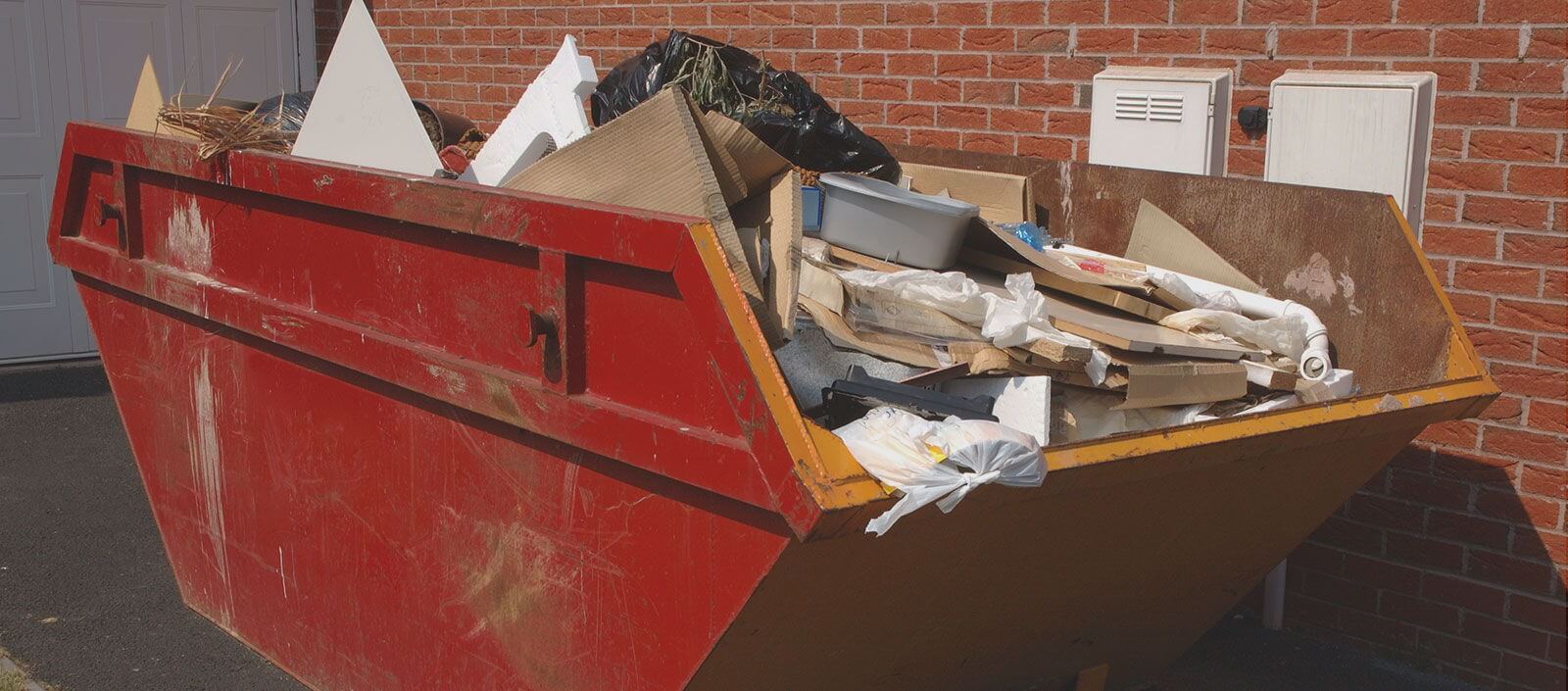
If you manage rentals in Clapton, you already know the awkward bits rarely arrive in neat little boxes. A tenant moves out, the keys come back late, and suddenly there is a tired sofa in the hallway, broken blinds in the bedroom, and a kitchen that smells like someone abandoned a Sunday roast. This is where Clapton estate rubbish clearance tips for landlords become genuinely useful. Not theory. Not fluff. Real, practical ways to clear a property quickly, protect your asset, and get it ready for the next tenant without turning the whole thing into a drawn-out headache.
Whether you run a single flat or a small portfolio, the aim is the same: remove waste efficiently, stay on the right side of compliance, and avoid unnecessary costs. In this guide, you'll find a sensible landlord-focused approach to clearance, plus a few hard-earned tips that can save you time and stress when a tenancy ends badly, suddenly, or just messily. Let's face it, that happens more often than anyone admits.
Why Clapton estate rubbish clearance tips for landlords Matters
Rubbish clearance is not just about making a flat look tidy. For landlords, it affects turnover speed, deposit disputes, repair planning, and even how smoothly your inventory checks go. A property in Clapton that is left half-cleared after a tenancy can sit idle for longer than it should, and every extra day without a paying tenant quietly chips away at returns.
Clapton also has the usual London challenges: narrow stairwells, tight parking, shared entrances, and a mix of Victorian conversions, estates, and modern blocks. That means a "quick clear-out" can become awkward fast if no one has planned the access, the lift use, or where bulky waste can be staged safely. You will notice the difference immediately when a job is organised properly. Less back-and-forth. Fewer surprises. Less shouting up and down the stairwell.
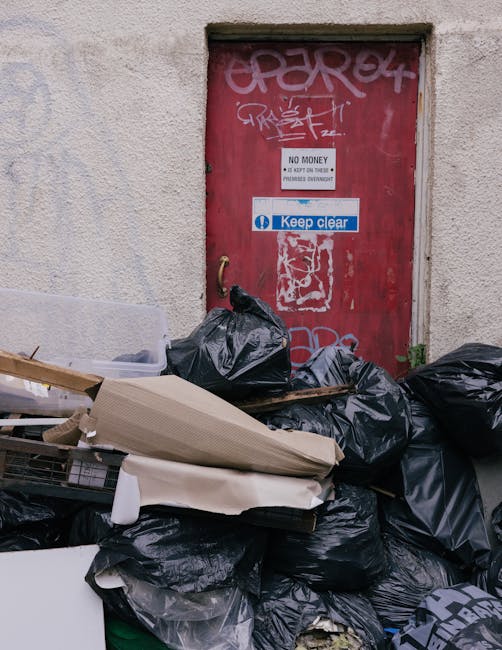
There is another reason this matters. Poorly handled waste can create friction with neighbours, managing agents, and incoming tenants. A skipped collection or a sofa left by the kerb may seem minor in the moment, but it can quickly become a nuisance complaint. And no landlord needs that extra message on a Friday afternoon.
For landlords who want to understand the wider local housing context as well, it can help to read more about Hackney property buying tips and the broader market through real estate in Hackney. It gives you a better feel for the type of stock, tenant expectations, and the pace of the area.
How Clapton estate rubbish clearance tips for landlords Works
In practice, landlord rubbish clearance is a simple process with a few moving parts. First, you identify what needs to go: furniture, broken appliances, bagged waste, construction leftovers, garden debris, or mixed items after a long tenancy. Then you decide whether the job is a light collection, a partial clearance, or a full property clear.
From there, most landlords follow the same rough sequence:
- Walk the property and list everything that needs removing.
- Separate reusable items from waste where possible.
- Flag anything hazardous, electrical, or awkwardly heavy.
- Check access, parking, and loading constraints.
- Book a clearance method that matches the volume and urgency.
- Keep records of what was removed and when.
That last point gets skipped surprisingly often. A simple photo set before and after can be enough for your own records, and it helps if a tenant later questions a deposit deduction or claims they left the place "basically empty". Basically empty can mean very different things depending on who is saying it.
If you are dealing with a wider landlord, letting-agent, or mixed-use portfolio, browsing the site's services overview can also help you match the clearance type to the right service. For larger or more commercial-style units, commercial waste removal in Hackney may be a better fit than a general pickup.
Key Benefits and Practical Advantages
Good rubbish clearance is one of those quiet landlord tasks that pays off in several ways at once. The benefits are not dramatic, but they are real.
- Faster re-letting: A cleared, clean property photographs better and is easier to show.
- Lower risk of dispute: Clear records make post-tenancy conversations calmer.
- Better presentation: Tenants judge a flat in seconds, not minutes.
- Less wear and tear: Removing damaged items early stops them being dragged through hallways or left to rot.
- Safer working conditions: Fewer trip hazards for cleaners, contractors, and viewings.
- Reduced stress: Honestly, sometimes that is the biggest one.
There is also a practical money angle. A unit that is cleared promptly can move into cleaning, repair, and re-marketing faster. In a busy area like Clapton, that timing matters. A day saved here and there adds up. Not every month, but enough to notice over a year.
Expert summary: The best landlord clearance jobs are not the fastest ones on paper; they are the ones that are planned, documented, and matched to the size of the waste problem. That is where the real savings usually sit.
For landlords who want to build a more sustainable disposal routine, it can be worth reading about recycling and sustainability too. Reuse, reuse first if possible. Then recycle. Then dispose properly. Simple, but easy to lose sight of when you are rushing.
Who This Is For and When It Makes Sense
This approach is for landlords, letting agents, block managers, and property investors who need a tidy, legal, and efficient route to clearing a rental unit. It is especially useful in these situations:
- End-of-tenancy clear-outs after a long let
- Void periods where the property has been left cluttered
- Student lets with abandoned furniture or mixed rubbish
- Problem tenancies where bags, mattresses, and broken items have built up
- Refurbishment projects before decorating or repairs
- Inherited or newly purchased rental properties that need a reset
Some landlords try to do everything themselves with a van and a good intention. Fair enough, sometimes that works. But if the waste is bulky, heavy, dirty, or time-sensitive, the do-it-yourself route can become a false economy. You end up doing two trips, borrowing gloves, then realising the parking situation near the block is not remotely friendly. It gets old, fast.
These tips also make sense for landlords who manage apartments above shops or mixed residential blocks around busier roads. In those situations, good timing and access planning matter more than you might think. For a related look at local access issues, the guides on rubbish removal for flats and shops on Mare Street and same-day rubbish removal in Hackney Wick are helpful reading, even if your property is not in exactly the same spot.
Step-by-Step Guidance
Here is a landlord-friendly way to handle clearance without overcomplicating it.
1. Inspect the property properly
Walk through every room, cupboard, loft space, shed, and common area. Open the built-in storage. Check behind doors. Tenants sometimes leave more in the hidden spots than in the obvious ones. You'd be surprised. The corner behind the washing machine is a classic hidey-hole for forgotten stuff.
2. Separate categories early
Group items into broad categories:
- Furniture
- Electrical items and appliances
- Bagged general waste
- Cardboard and packaging
- Outdoor or garden waste
- Hazardous or specialist items
This makes the clearance much easier to quote and much quicker to execute. It also helps you identify whether you need a furniture removal service, white goods and appliance disposal, or a broader waste removal visit.
3. Decide what can stay, be reused, or be removed
Landlords do not always need to strip a flat bare. If a bed base, sofa, or table is reusable and safe, it may be worth keeping it. But be careful here. "Still usable" should mean genuinely usable, not "technically not collapsing". There is a difference.
4. Check access and timing
Think about parking, lifts, staircases, entry codes, and any building rules. If the property is in an estate, there may be restrictions on loading, noise, or waste staging. A clearance crew arriving without this information can lose time at the exact moment you need efficiency.
5. Arrange the right disposal route
Some jobs are a straightforward collection. Others are full-house clearances. For larger post-tenancy situations, house clearance in Hackney can be more suitable than piecemeal removal. For empty lofts packed with forgotten items, loft clearance may be the cleanest option.
6. Keep a record
Take photos before and after. Note the date, what was removed, and whether any items were left behind because they were classed as tenant belongings or evidence for a deposit issue. It is basic housekeeping, but it saves arguments later.
Expert Tips for Better Results
There are a few small things that make a surprisingly big difference.
Book clearance before cleaners, not after them. If a property is cluttered, a deep clean is wasted effort until the waste is gone. Dust falls. Smells linger. Wet mop water finds every hidden bit of debris.
Be strict about abandoned appliances. Fridges, freezers, and washing machines are not just bulky; they can be awkward to move and need the right disposal route. For that reason, appliance disposal in Hackney is often a better plan than asking a general helper to "just take it away".
Use one point of contact. If you have a tenant, cleaner, contractor, and agent all speaking separately, things get muddled quickly. One person should own the clearance plan. Everyone else should feed into it. Simple, really.
Ask for photo-based quoting when possible. It saves time for both sides and reduces misunderstanding. A picture of a hall full of bagged waste tells a much clearer story than a vague "it's not too bad".
Think in terms of access, not just volume. Two bin bags in a fifth-floor walk-up can be harder than a bigger pile at ground level. Estate flats often work like this. The waste size is only half the problem.
Check the paperwork before anyone starts. Reputable operators should be able to explain how they handle disposal, transport, and compliance. If that conversation feels fuzzy, slow down. A calm five-minute check is better than a messy afterthought.
Common Mistakes to Avoid
These are the errors landlords tend to make when they are trying to move quickly.
- Leaving clearance until the end of the turnaround window. This compresses cleaning and repairs into a chaotic final push.
- Mixing tenant possessions with rubbish. Be careful with anything that could still be disputed.
- Ignoring the loft, shed, or balcony. Those spaces quietly hold a lot.
- Forgetting shared access rules. Estate management can be more particular than you expect.
- Using the wrong disposal method for bulky items. That often leads to delays or extra handling.
- Not documenting condition before clearing. If the flat was already damaged, you want proof.
One sneaky mistake is assuming all rubbish is the same. It isn't. Construction offcuts, garden cuttings, old sofas, and a bag of mixed tenant waste all travel through different practical and compliance routes. Treat them like one single pile and you can end up wasting money or time.
Tools, Resources and Recommendations
You do not need a huge toolkit, but a few basics help.
- Gloves and sturdy footwear: obvious, yes, but worth saying.
- Strong refuse sacks: cheaper bags split at the worst possible moment.
- Labels or tape: useful for separating keep, clear, and check later items.
- Phone camera: for condition records and before/after photos.
- Measuring tape: handy for confirming large items or access issues.
- Building access notes: codes, key safe locations, lift restrictions, parking bay details.
For service planning, the pages on rubbish collection in Hackney and domestic waste collection are useful for smaller, routine jobs. If the property contains mixed waste after refurbishment, builders waste disposal may be more relevant.
For landlords who care about how waste is handled after removal, the site's waste carrier licence and compliance information is worth a look. It is not glamorous reading. But it is the sort of detail that quietly protects you.
Law, Compliance, Standards, or Best Practice
When landlords arrange rubbish clearance, the main point is to ensure waste is handled by people who operate properly and dispose of items responsibly. In the UK, landlords should be careful not to hand waste to anyone who cannot show they are operating compliantly. If waste is fly-tipped or handled badly after collection, the consequences can come back to bite the person who arranged it.
That does not mean every clearance needs a legal deep dive. It does mean you should work with clear records, ask sensible questions, and avoid cash-in-hand arrangements that leave you with no paper trail. In property management, vagueness is expensive. It always is.
Best practice for landlords includes:
- Using a properly run waste removal provider
- Keeping photos and notes before and after clearance
- Separating tenant belongings from genuine waste where possible
- Avoiding blocked exits and unsafe stacking in common areas
- Making sure bulky items are moved without damage to communal halls or stairs
- Being considerate of neighbours, noise, and access times
If you are dealing with a unit that has been left in a poor state, it can also help to read the site's general policy pages such as terms and conditions, privacy policy, and insurance and safety so you understand how professional operators present their responsibilities. That gives you a better frame of reference, even if you are mainly interested in the practical side.
Options, Methods, or Comparison Table
Landlords in Clapton usually have four realistic ways to deal with a rubbish problem. Each has its place.
| Method | Best for | Pros | Trade-offs |
|---|---|---|---|
| DIY clearance | Very small loads and light items | Low direct cost, flexible timing | Slow, physically demanding, access headaches, disposal risk |
| Man-and-van style collection | Bulky but modest volumes | Quick, simple, good for mixed items | May not suit full clearances or awkward estates |
| Full house clearance | End-of-tenancy or large voids | Efficient, structured, less admin | More planning needed upfront |
| Specialist item disposal | Appliances, furniture, garden or loft items | Better handling for specific waste types | May need multiple collections if the property is mixed |
For many landlords, the sweet spot is a mixed approach: specialist disposal for the awkward stuff, then a broader clearance for the rest. That sounds slightly fussy, but it often ends up being the neatest and most cost-aware choice.
Case Study or Real-World Example
Here is a realistic example. A landlord in Clapton gets a flat back after a twelve-month tenancy. The place is not a disaster, but it is cluttered enough to block cleaning: a broken dining chair in the kitchen, an old mattress in the bedroom, two bagged piles of mixed waste, a rusted microwave, and a handful of items left in the hallway cupboard.
Instead of trying to sort it all out in one go, they do three things. First, they photograph each room. Second, they separate the obvious reuse items from clear waste. Third, they book the right combination of removal services instead of assuming one general pickup will solve everything.
The result is straightforward. The clearance is faster, the cleaner can start on time, and the flat is ready for inspection without the usual back-and-forth about "whose rubbish was that?". Nothing magical. Just sensible sequencing. And truth be told, that is what most good property management looks like behind the scenes.
This is also where local knowledge helps. In parts of Hackney, access can be the real bottleneck, not the amount of rubbish. For that reason, landlords who understand local street layouts, parking pressure, and estate rules tend to avoid the late panic that catches everyone else out.
Practical Checklist
Use this before you confirm a clearance booking.
- Have I checked every room, cupboard, loft, balcony, shed, and hallway?
- Have I separated tenant belongings from actual rubbish?
- Do I know whether I need furniture, appliance, garden, loft, or full-house clearance?
- Have I noted access details, parking restrictions, and building rules?
- Have I taken before photos?
- Do I know whether any items need special handling?
- Have I chosen a disposal route that fits the amount and type of waste?
- Will the property be clear in time for cleaning and repairs?
- Have I kept written notes for the file?
- Have I checked that the provider operates in a compliant and insured way?
Quick landlord tip: if the waste pile is making you sigh before you even start, break the job into rooms. One room at a time. It sounds almost too simple, but it keeps the whole thing manageable.
If you want to better understand the company background before booking, the about us page can also help with that trust-building step.
Conclusion
Good Clapton estate rubbish clearance is less about brute force and more about tidy decisions made early. Landlords who inspect properly, separate waste sensibly, document what they remove, and choose the right disposal route usually save time, reduce stress, and get properties back to market faster. It is not glamorous work. Then again, most good landlord work isn't.
In a busy local market, that speed and order really matter. A clear flat is easier to clean, easier to photograph, and easier to let. More importantly, it feels under control. And that is worth a lot when you are juggling repairs, viewings, and the occasional message from a contractor who is "just running ten minutes late".
Get a free quote today and see how much you can save.
Take the clearance step properly, keep the records neat, and the rest of the turnaround tends to feel a lot lighter.